January 15, 2026
When planning for a new roof, one of the most crucial decisions is choosing the right material. The material you select will influence the aesthetic, durability, maintenance, and overall cost of your roof. Here are 6 things to consider when choosing the material for your new roof. These considerations will guide you in making an informed decision that best suits your needs and conditions. Taking the time to evaluate these factors will ensure that your roofing investment lasts for years to come.
1. Climate and Weather Conditions
Understanding the local weather patterns is vital when choosing roofing materials, as these will determine how well a material can perform in your area. Different climates can drastically affect the longevity and effectiveness of roofing materials. For instance, areas with high humidity might benefit from mold-resistant materials, while regions prone to heavy snow should consider options that are impervious to weight and water retention. By assessing the typical weather conditions in your location, you can choose materials that not only protect your house but also contribute to its energy efficiency. Doing so ensures that your roof is more than just a cover; it becomes an integral part of your home's microclimate management.
Climate has a direct impact on the longevity of roofing materials. For example, extended exposure to UV rays in sunny regions can cause certain materials to deteriorate faster, meaning you might want to opt for UV-resistant treatments or naturally resilient materials. Conversely, if your area experiences severe cold, materials that can withstand freeze-thaw cycles are crucial. These climate-related challenges make it imperative to think not only about today's weather, but also how the climate may change in coming years. This forward-thinking approach can increase the durability and effectiveness of your roofing investment.
Seasonal weather challenges also play a significant role in material selection. Materials like metal roofing may not be ideal for regions experiencing frequent hailstorms, as they can easily dent and affect the roof's aesthetic appeal. Likewise, areas prone to hurricanes or tornadoes necessitate the use of materials with high wind resistance. Considering these factors helps you safeguard your investment against seasonal weather threats, ensuring both performance and aesthetics are maintained throughout the roof's lifespan. Addressing these considerations proactively can save you from unexpected repair or replacement costs down the line.
2. Roofing Material Options
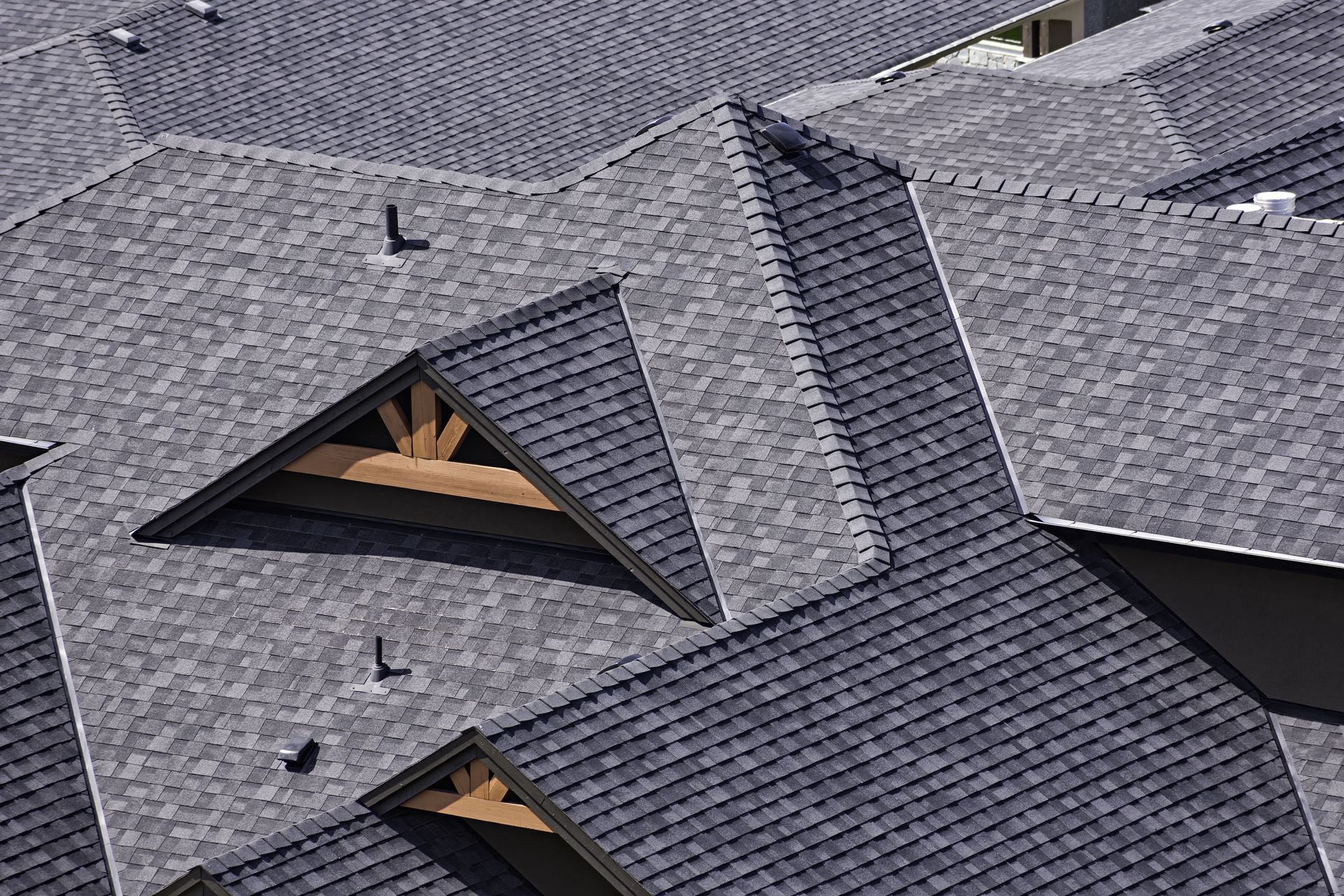
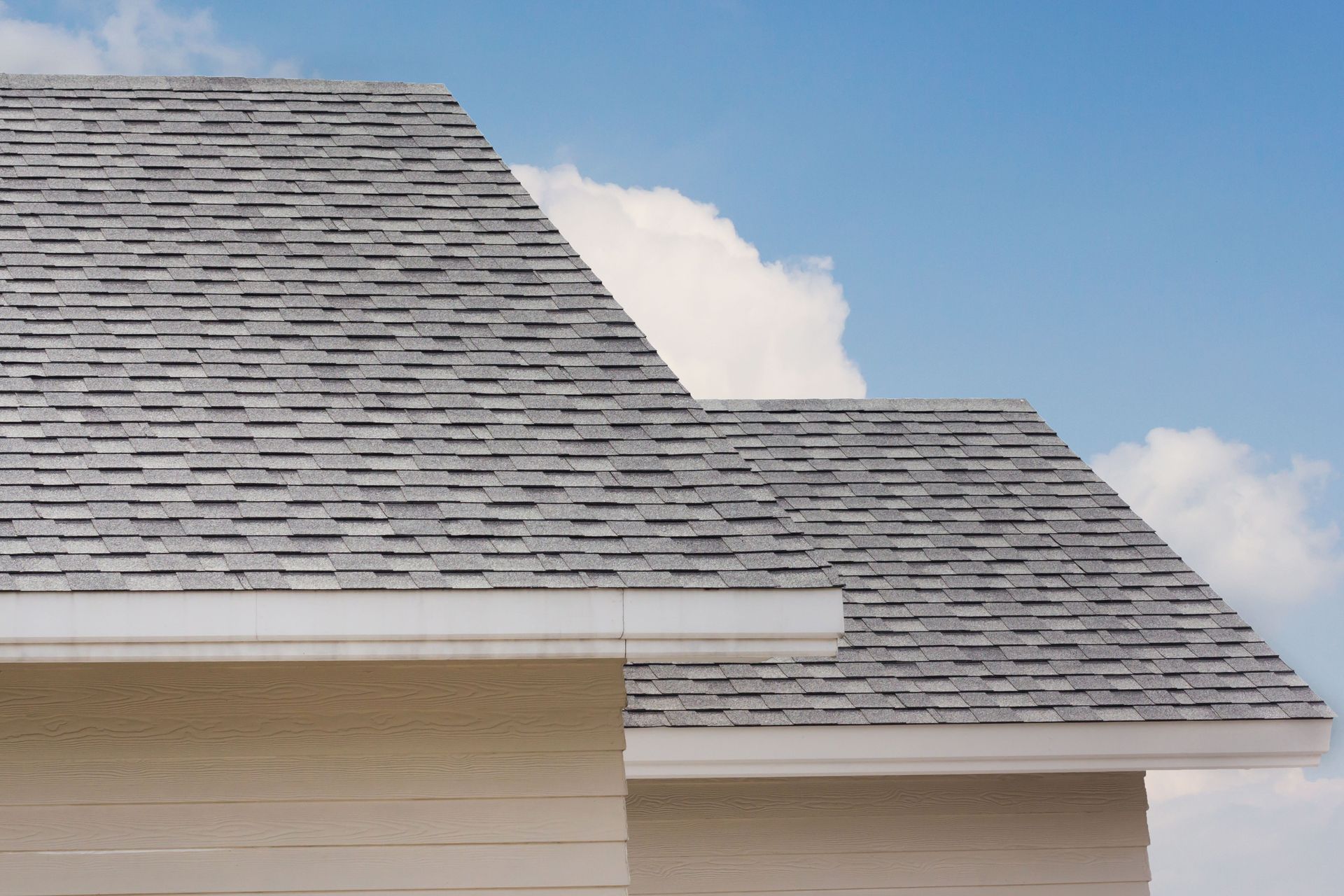
Asphalt shingles are among the most popular roofing materials due to their affordability and ease of installation. They come in a variety of colors and styles, making them versatile in terms of matching your home's aesthetic. Consider asphalt shingles if you are looking for an economical but stylish choice that suits a wide range of homes.
Metal roofing offers durability and a sleek, modern appearance, making it a viable option for many homeowners. This material excels in shedding snow and ice, and its reflective surface can help reduce energy costs in sunny climates. While the initial cost is higher, metal roofing's longevity and energy efficiency often justify the investment. It's particularly beneficial in climates with extreme weather, such as heavy snow or high winds.
Another option is clay or concrete tiles, which offer exceptional durability and thermal protection. These tiles can withstand high heat and are ideal for hot climates, though their weight requires a strong structural support. Installation can be labor-intensive and more costly, but their longevous nature, often surpassing 50 years, makes them a worthwhile investment. If you desire a classic aesthetic with a roof material that can endure the test of time and weather, clay or concrete tiles could be the perfect fit. In contrast, according to This Old House, wood shake roofing can be expected to last about 40 to 50 years, offering a natural yet slightly less durable option compared to clay tiles.
3. Cost and Budget Considerations
When evaluating roofing materials, initial cost versus long-term investment should be a primary consideration. Budget constraints might point you towards less expensive materials like asphalt, but the long-term savings and durability of higher-end materials such as metal or clay may make them worthwhile. Remember that the initial expense is just one part of the equation; consider the expected lifespan and potential maintenance costs. Investing a bit more upfront could lead to lower expenses over the life of the roof, making the total cost more manageable in the long run. Balance your current budget constraints with long-term investment benefits for a more comprehensive financial outlook.
Installation costs can vary significantly based on the material you choose. Some materials, like metal roofing, may require specialized installation, which can drive up labor costs. However, materials like synthetic options might be easier to install and could reduce immediate expenditures. Evaluate the entire cost of installation, including labor and any required special equipment, to avoid being caught off-guard by hidden expenses. Proper budgeting should factor in all these elements to ensure you enter the project with a clear understanding of financial commitments.
The costs associated with maintenance, repair, and potential replacement should not be overlooked when selecting a roofing material. Some materials, like wood shakes, may offer a charming look but require regular maintenance to prevent decay. Consider the typical repair costs and lifespan of the materials you're leaning towards. Also, think about how easy it is to procure replacement materials, should a repair become necessary. A cost-benefit analysis can help clarify not only short-term affordability but long-term viability, ensuring you make a decision that aligns with both your budget and performance expectations.
4. Aesthetic Appeal and Home Value
The aesthetic appeal of your roofing material can significantly impact your home's overall appearance and value. Ensuring that the chosen roof material complements your house's architectural style is pivotal in maintaining visual harmony. For instance, wood shakes might suit a rustic or traditional home, while sleek metal panels could fit a modern design better. Failure to match the architectural style might result in unappealing looks that could potentially lower the property's market value. Thus, when evaluating options, consider how well each material harmonizes with the existing architecture for a cohesive visual impact.
Color selection can greatly enhance your home's curb appeal and should be carefully thought through. Different materials offer varied color options, letting you personalize the roof to suit your taste and neighborhood standards. A well-chosen color can highlight your home's architectural features or blend seamlessly with the environment, enhancing overall curb appeal. However, it's not just about appearance—certain colors reflect more sunlight, potentially reducing cooling costs and adding to the functional benefits. Strike a balance between aesthetic attraction and practical benefits when selecting the roofing color.
Beyond aesthetic considerations, the chosen roofing material can have a substantial impact on property value. High-end materials like slate or copper not only provide durability but also elevate the perceived quality of the home. In real estate, perception can be as significant as reality—and a visually appealing, high-quality roof can enhance buyers' impressions and increase the home's marketability. Contextual factors, such as neighborhood standards, should also be considered in this decision. Ensuring your roof conforms or even elevates neighborhood expectations can be a wise move for boosting property value.
Choosing the right roofing material requires careful consideration of multiple factors, including climate, cost, aesthetics, durability, and environmental impact. By examining these aspects, you can make an informed decision that enhances your home's appearance and provides long-lasting protection. The right choice will not only serve your aesthetic desires but will also conform to functional needs, including weather resilience and energy efficiency. Each family and home is different, and only through understanding your unique requirements can you find the most suitable material for your new roof. Consider this an investment in your future, ensuring both comfort and security for years to come. If you're looking for roofing services, contact UB Code Roofing + today.