November 16, 2026
A roof is one of the most important investments a small business owner can make in a commercial property. Beyond protecting employees, customers, equipment, and inventory, a properly installed roofing system helps maintain the building's structural integrity and supports daily operations. Choosing the right materials, contractor, and installation approach can make a significant difference in the roof's long-term performance. A dependable commercial roofing system protects more than the building itself; it also safeguards the equipment, inventory, and daily operations that keep a business running.
Whether opening a new business location or replacing an aging roof, understanding the installation process makes it easier to plan and budget for the project. With careful preparation and professional guidance, property owners can make informed decisions that protect their buildings and investments.
Planning for a Roofing Installation Project
Assess Your Building's Roofing Requirements
Every commercial building has different roofing requirements based on its size, architectural design, existing structure, and intended use. Before beginning a commercial roofing project, property owners should evaluate the condition of the current roof and identify any issues that could affect installation. Existing leaks, damaged decking, inadequate drainage, and structural weaknesses may require attention before new materials can be installed.
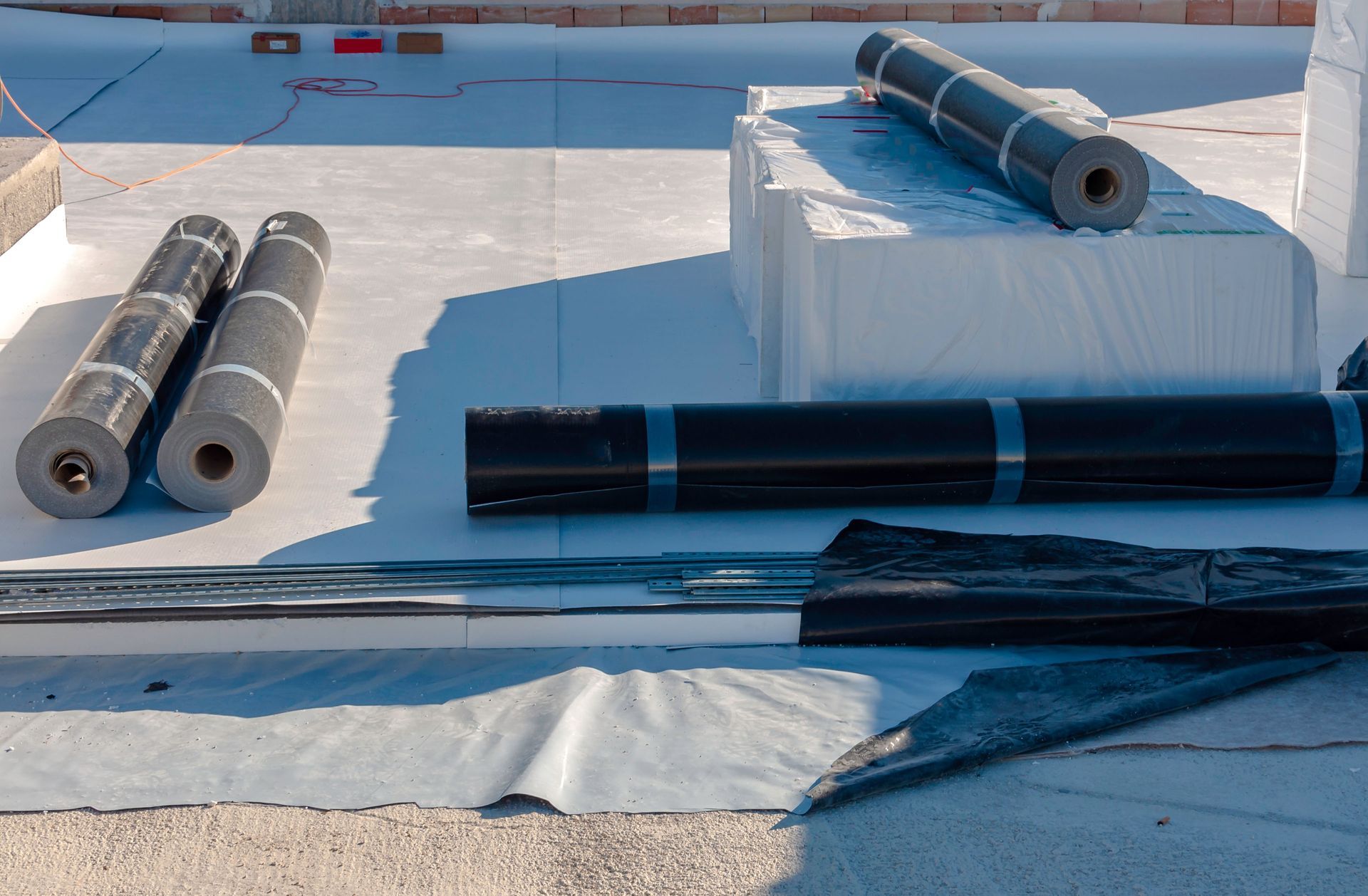
The building's roof design also influences which roofing system will work best. Many commercial properties feature flat or low-slope roofs, which require materials specifically designed to manage water exposure and prevent moisture intrusion. EPDM and TPO are two common options for these applications. EPDM is a durable, rubber-like membrane that provides weather resistance, while TPO offers a reflective surface that can help reduce heat absorption. A professional roofing contractor can assess the building and recommend an appropriate solution. Understanding these factors helps property owners make informed decisions that account for both immediate needs and long-term building performance.
Establish a Realistic Budget and Timeline
Budgeting is another essential part of preparing for a roofing project. The total cost depends on several factors, including the roof's square footage, material selection, existing damage, labor requirements, and installation complexity. Additional expenses may arise if contractors discover deteriorated decking, drainage problems, or other structural concerns after removing the existing roofing system.
Property owners should request detailed estimates that explain the anticipated costs and scope of work. Comparing proposals helps clarify what each contractor includes in the project, such as material removal, surface preparation, installation, and cleanup. Obtaining multiple commercial roofing estimates can help business owners compare pricing, materials, warranties, and project expectations. It is also important to establish a realistic timeline before work begins. Depending on the building's size and the project's complexity, installation may take several days or longer. Planning ahead allows business owners to coordinate schedules, notify employees and customers, and prepare for temporary disruptions.
According to RubyHome, approximately five million new roofs are installed throughout the country annually. This figure highlights the ongoing importance of professional roof installation for protecting residential and commercial properties. For small businesses, investing in a properly planned roofing project can help prevent avoidable repairs and protect valuable assets.
Choose Materials That Support Long-Term Performance
Selecting appropriate materials requires more than comparing initial prices. Business owners should consider durability, weather resistance, maintenance requirements, and expected service life when evaluating their options. The right roofing system should accommodate the building's design while providing reliable protection against the environmental conditions it encounters. The best commercial roofing materials should provide dependable protection while accommodating the building's structural design and environmental conditions.
For example, EPDM membranes are frequently used on flat and low-slope roofs because of their flexibility and resistance to weather exposure. TPO systems offer another practical option, particularly for buildings where reducing heat absorption is a consideration. Other roofing materials may be suitable depending on the property's architectural characteristics and requirements. A knowledgeable contractor can explain the advantages of available options and help determine which system offers the best balance of performance, cost, and maintenance needs.
Understanding the Professional Installation Process
Prepare the Existing Roof and Building
Once the roofing system has been selected, the installation process begins with preparing the building. Depending on the project's scope, contractors may need to remove the existing roofing materials before installing the replacement system. This allows them to inspect the underlying decking and identify damage that would otherwise remain concealed. Proper preparation is one of the most important steps in commercial roofing installation because it establishes a stable foundation for the new system.
Proper surface preparation is essential because the new roofing system needs a stable foundation. If contractors discover rotted decking, weakened structural components, or deteriorated insulation, these issues should be addressed before installation continues. Ignoring underlying problems can compromise the new roof's performance and contribute to premature deterioration.
Contractors also evaluate drainage systems, roof edges, penetrations, and other areas where moisture could enter the building. Drains and other water-management components must be properly positioned and functional to prevent standing water. Thorough preparation helps establish the conditions necessary for a successful installation and reduces the likelihood of complications after the project is complete.
Install the Roofing System With Precision
The installation itself requires expert knowledge, appropriate materials, and careful attention to manufacturer specifications. Depending on the selected system, contractors may use adhesives, mechanical fasteners, or other approved methods to secure roofing membranes. Every component must be installed according to the system's requirements to maintain consistent coverage and reliable protection. Experienced professionals understand how to handle the specific requirements of commercial roofing systems and address vulnerable areas during installation.
Seams and transitions deserve particular attention during this stage. Improperly sealed seams, poorly secured edges, and inadequate flashing around roof penetrations can create openings for water intrusion. Contractors must also account for rooftop equipment, ventilation components, drains, and other features that interrupt the roof's surface. These details require precise workmanship because even relatively small installation errors can lead to significant problems over time.
Professional installation also involves following applicable building codes and manufacturer guidelines. Working with experienced commercial roofing contractors helps ensure that materials are handled correctly and that each stage of the project meets established standards. Property owners should avoid choosing contractors based solely on the lowest estimate, as inadequate workmanship can result in expensive repairs and unnecessary operational disruptions.
Complete a Thorough Final Inspection
After installation is finished, contractors should inspect the entire roofing system to verify that the work has been completed properly. This evaluation includes checking seams, flashing, drainage components, edges, and other vulnerable areas. Any deficiencies identified during the inspection should be corrected before the project is considered complete. A detailed commercial roofing inspection helps confirm that the installation meets applicable standards and that all components are functioning properly.
Business owners should also request documentation explaining the installed materials, applicable manufacturer warranties, and workmanship coverage. Understanding these protections helps clarify which issues may qualify for repairs and what responsibilities the property owner must maintain. A reliable contractor should explain the warranty terms and answer questions about recommended maintenance.
The final walkthrough also provides an opportunity to discuss the roof's expected performance and any maintenance requirements. Property owners should understand how to identify potential warning signs, such as damaged flashing, pooling water, or visible membrane deterioration. Addressing these concerns promptly can help preserve the roof's condition and prevent minor issues from becoming more extensive problems.
Installing a new roof is a significant responsibility for any small business owner, but careful planning and professional workmanship can make the investment worthwhile. Evaluating building requirements, selecting suitable materials, understanding the installation process, and scheduling ongoing maintenance all contribute to long-term roof performance. Working with an experienced commercial roofer also helps protect the property, control project costs, and minimize disruptions. For dependable roofing installation, contact UB Code Roofing + to request an estimate and protect your business property.