Every fall, we hear a version of the same question from homeowners across Aurora, Centennial, and Denver: "Did I miss the window? Is it too late to get my roof done before winter?"
The short answer is no. September isn't a fallback month for roofing — it's one of the best windows all year. Here's why, and what happens if you wait too much longer.
The Installation Window Isn't Closed Yet
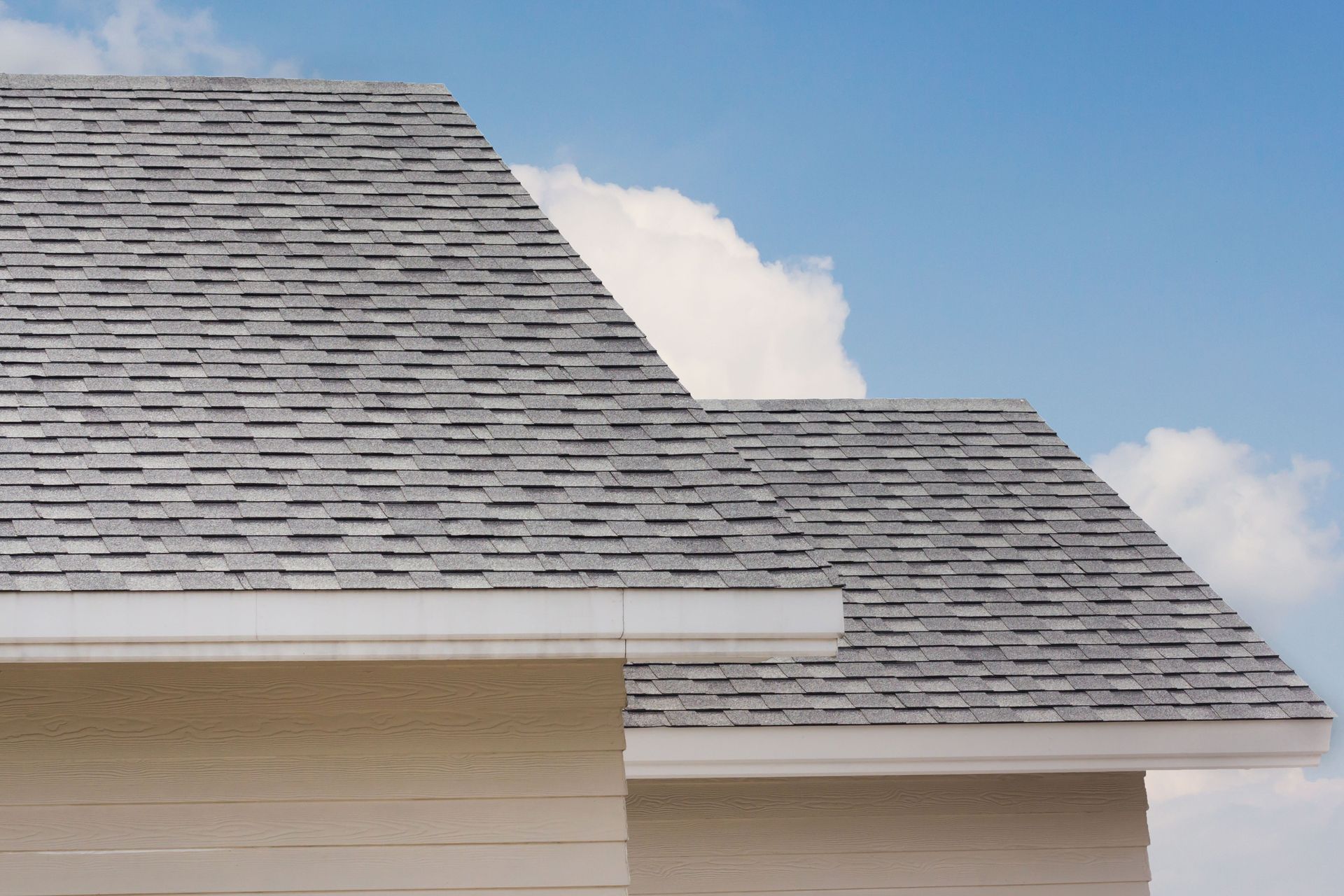
Shingle manufacturers set minimum installation temperatures because asphalt shingles need enough warmth to seal properly. Colorado's September days still deliver the mild, dry conditions that make for a clean, efficient install — without the summer heat that can make shingles soft and harder to handle, or the early snow that can shut a job site down without warning.
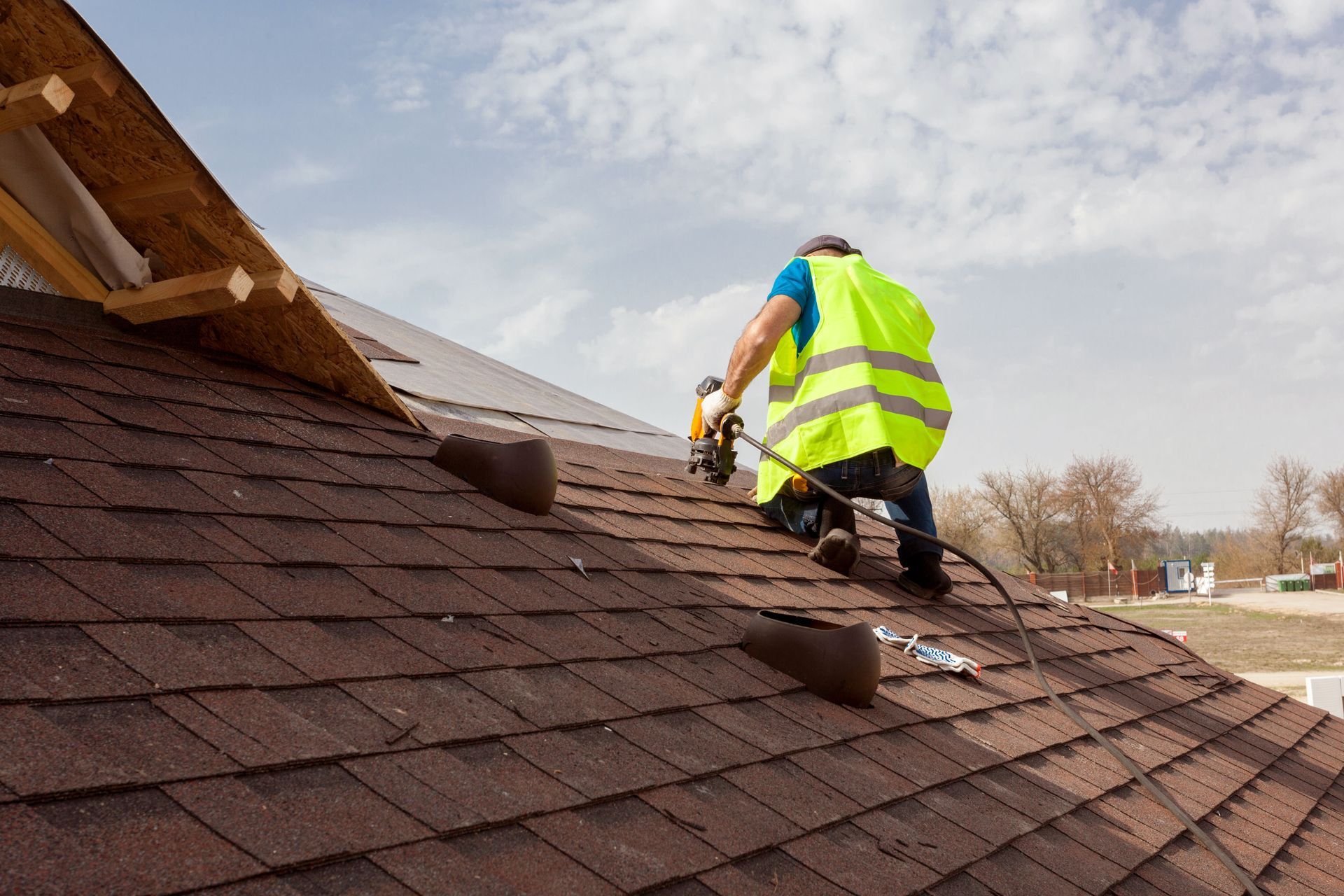
That's what makes September the sweet spot: warm enough for proper adhesion, cool enough for a comfortable crew, and still enough daylight to get a full project done in a single push.
Your Insurance Claim Window Doesn't Wait
If you've got storm damage from this season, most carriers set a filing deadline — often within a set number of months of the storm date. Once that window closes, the claim can be denied outright, regardless of how much damage is documented. Getting your roof scheduled now keeps you inside that window instead of racing it in November.
If you're not sure where your claim stands, that's exactly the kind of thing we walk through with homeowners every week — no pressure, just clarity on where you are and what's next.
October Fills Up Fast
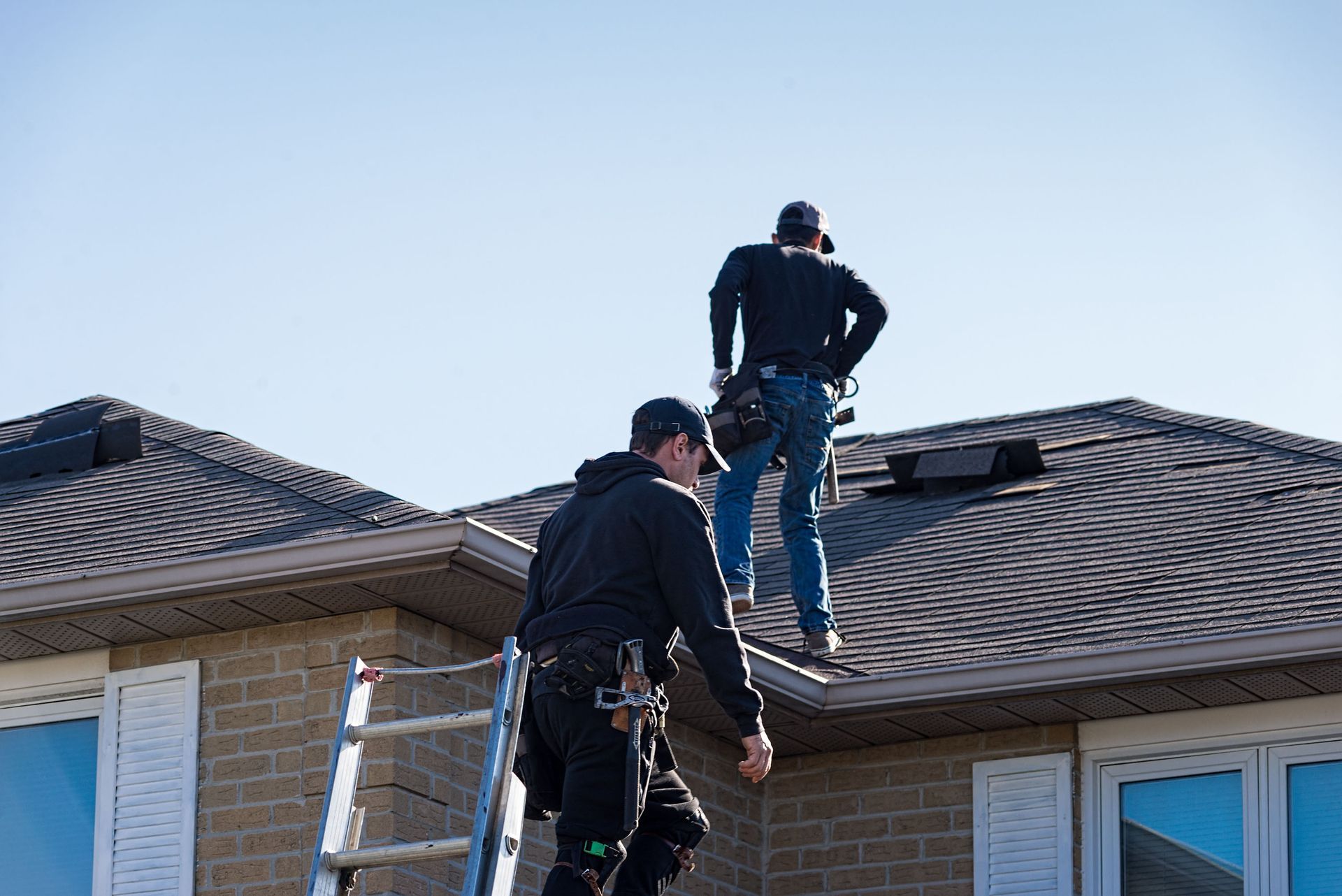
Every contractor in the Denver Metro sees the same pattern: as soon as the first hard freeze hits the forecast, calendars compress. Crews that had open weeks in September are suddenly booked three deep in October, and homeowners who waited end up choosing between a rushed install or pushing the job into next spring.
Scheduling now means your project gets a full crew, full daylight, and the attention a proper installation deserves — instead of being squeezed between an early snow and the holidays.
The Real Cost of Waiting: Planned Work vs. Emergency Repairs
There's a real difference between scheduling a fall roof replacement and calling for an emergency repair in the middle of a January storm. Planned fall work means predictable scheduling, full material availability, and a controlled job site. Winter emergency repairs mean higher costs, limited material options, and crews working against the weather instead of with it — all to patch a problem that a September replacement would have already solved.
If your roof is already showing its age, the choice isn't really between "now" and "later." It's between doing it on your terms in September, or doing it on winter's terms in January.
Serving the Full Front Range — Including Colorado Springs and Fountain
While Aurora, Denver, and Centennial remain home base, our team also serves homeowners in Colorado Springs and Fountain. Wherever you're located along the Front Range, the same fall timeline applies: the sooner your project is on the schedule, the more control you have over how — and when — it gets done.
Don't Let the Calendar Make the Decision for You
UB Code Roofing+ has protected Colorado homes since 1998 — family-owned, woman-owned, and still answering the phone ourselves. September is the month to get ahead of winter, not fall behind it.
Schedule your fall roof assessment before slots fill. Call 303-225-4620.