July 20, 2026
Selecting the perfect canopy for your home stands as one of the most critical decisions a homeowner will ever make during their property ownership journey. The architectural landscape presents a vast array of options, each promising distinct aesthetic appeal and varying degrees of long-term structural protection. Making an informed selection requires a thorough understanding of how different elements interact with environmental factors over many decades. It is essential to recognize that this choice influences not only immediate curb appeal but also the structural integrity of your entire house. Engaging in this comprehensive evaluation ensures that your investment in residential roofing provides safety and comfort for your family through every passing season.
Evaluating Shingle Systems
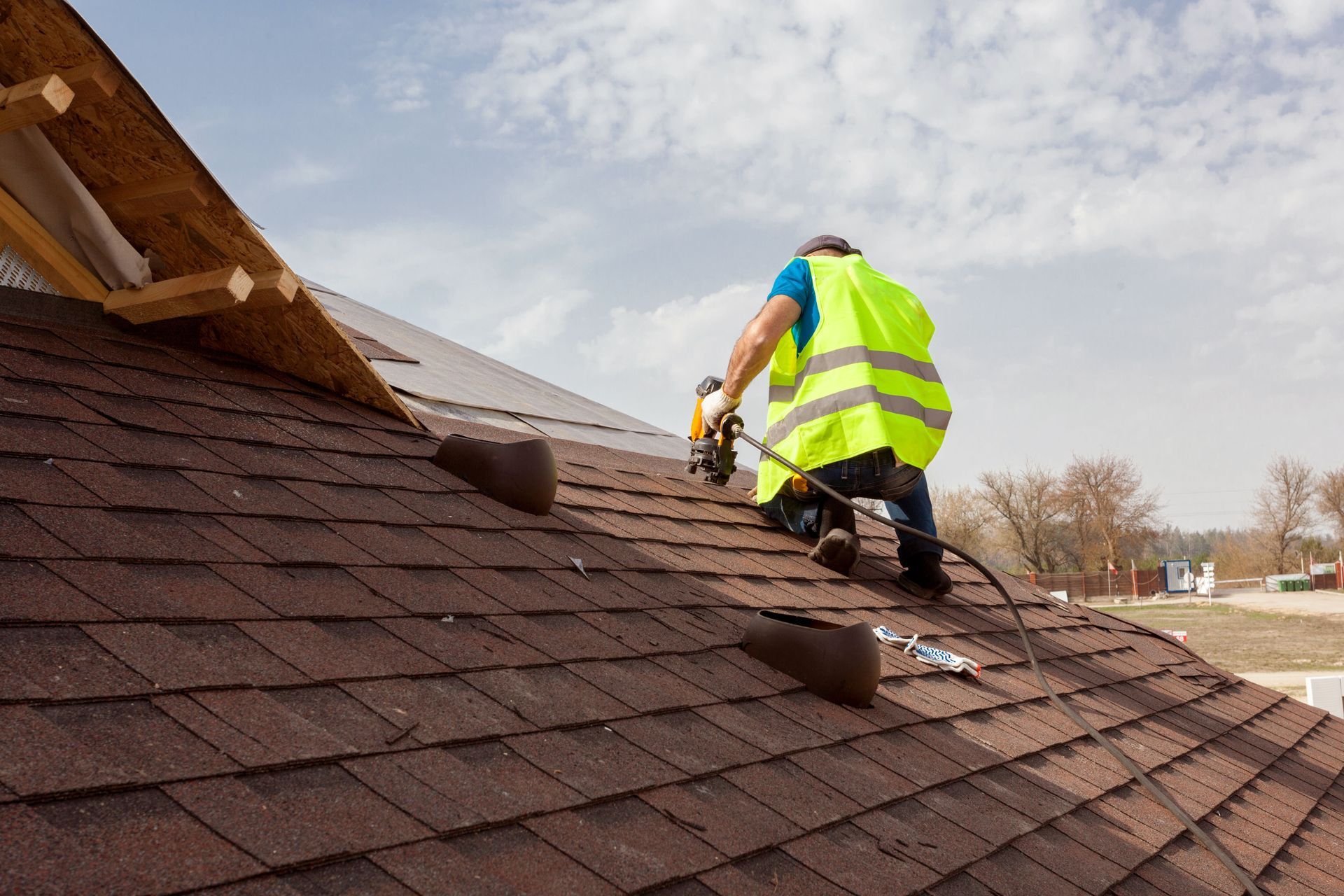
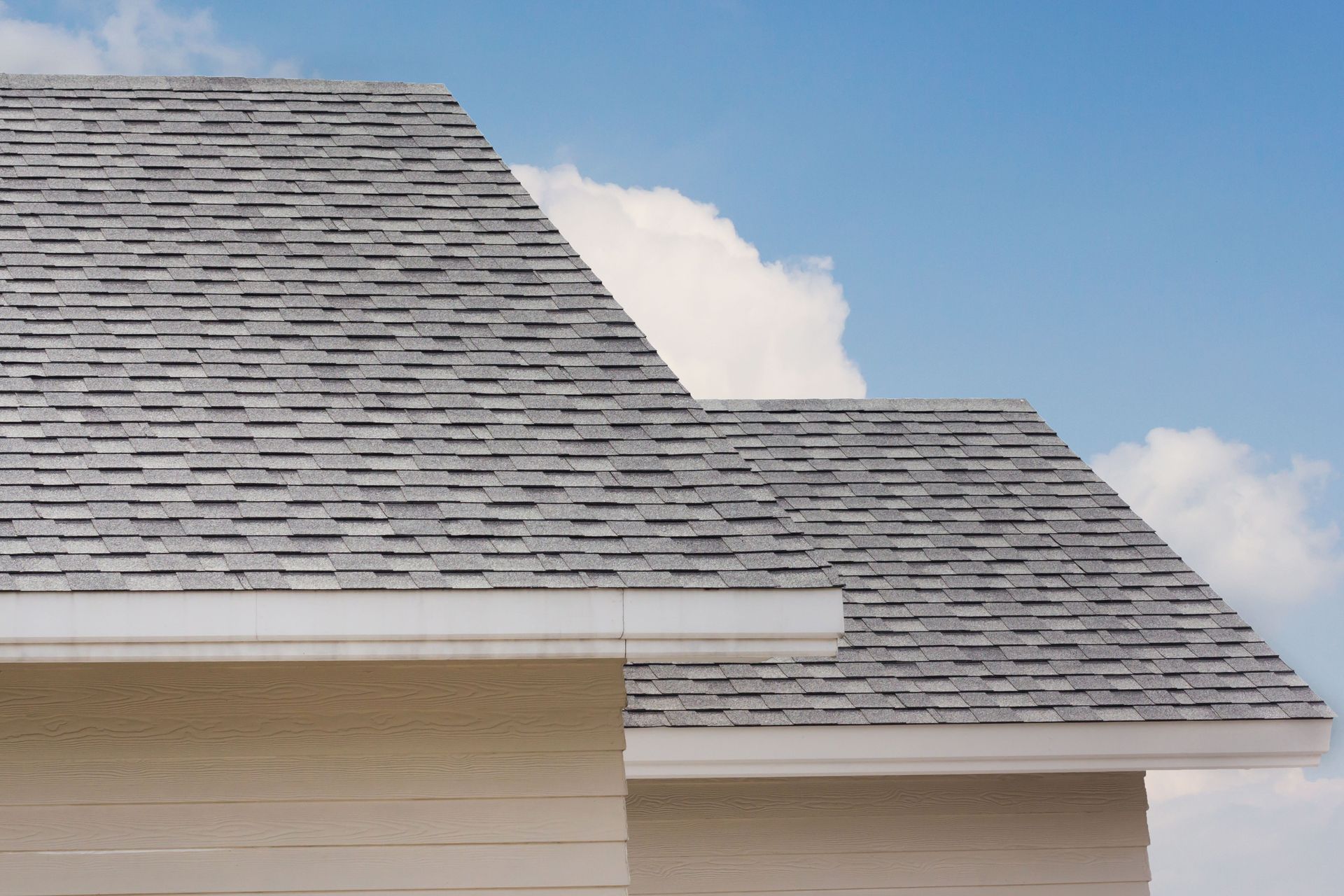
Asphalt shingles remain the most popular choice across the country due to their excellent balance of affordability and reliable weather protection. Modern manufacturing techniques have significantly improved these composite options, allowing them to mimic the luxurious appearance of natural wood or heavy slate. They are relatively straightforward to install, which directly translates to lower labor costs during the initial construction phase. Homeowners appreciate the wide variety of color profiles available, making it simple to complement any existing exterior paint scheme. This combination of economic accessibility and aesthetic versatility keeps traditional shingles at the forefront of residential architecture.
According to data provided by insurance analysts at Openly, typical lifespan ranges for shingles are 15 to 30 years for asphalt shingles, 40 to 70 years for metal roofing, 50 to 100 years for tile, 20 to 40 years for wood shakes, and up to 100 years or more for slate. This wide variance highlights why looking beyond the initial price tag is absolutely critical when assessing overall material value. While standard shingles require a lower upfront investment, their shorter lifecycle means property owners will face replacement costs much sooner than neighbors with premium systems. Understanding these established industry baselines allows individuals to calculate the true cost of ownership over several decades. Consequently, future financial planning becomes much more accurate when these insurance industry statistics are incorporated into your initial budgeting process.
Assessing Metal Alternatives
Metal structural systems have experienced a massive surge in residential popularity as modern homeowners prioritize sustainability and exceptional durability. These premium roofing products are crafted from steel, aluminum, copper, or zinc, offering a clean contemporary look that elevates modern architecture. Their reflective properties contribute significantly to energy efficiency by bouncing solar radiant heat away from the attic space below. This thermal barrier dramatically reduces cooling costs during scorching summer months, lowering utility bills for the household. Choosing this path represents a forward-thinking investment that pays continuous dividends through reduced energy consumption.
The impressive longevity of architectural metal makes it an attractive roofing option for individuals planning to remain in their homes for many decades. These systems easily withstand severe weather events, including gale-force winds, heavy hail impacts, and dense accumulations of winter snow. They are inherently non-combustible, which provides an invaluable layer of fire resistance that can lower annual homeowner insurance premiums. The lightweight nature of aluminum and steel panels reduces structural stress on the framing elements of older residential dwellings. This specific characteristic often eliminates the need for expensive structural reinforcement before the installation process begins.
While the initial cost of installing structural panels is undeniably higher than traditional options, the extended lifecycle yields superior long-term economic value. The necessity for frequent repairs is virtually non-existent when high-quality standing seam panels are properly secured by certified professionals. Occasional washing with clean water to remove accumulated dirt and checking the integrity of exposed fasteners constitute the primary upkeep requirements. Furthermore, many modern metal materials are manufactured using high percentages of recycled content and are fully recyclable at the end of their usefulness. This impressive environmental profile makes it the premier roofing choice for ecologically conscious homeowners seeking to reduce their carbon footprint.
Analyzing Tile Solutions
Clay and concrete tiles offer an unmistakable architectural elegance that heavily influences southwestern, Mediterranean, and Spanish-style residential designs. These heavy-duty materials create beautiful deep shadows and unique dimensional patterns that cannot be replicated by flatter alternative products. They possess natural insulating properties that help regulate indoor temperatures efficiently throughout changing seasonal cycles. Their exceptional mass creates an effective acoustic barrier that dampens external noises like heavy rainfall, traffic, or loud thunderstorms. Homeowners seeking a distinct visual identity coupled with superior acoustic comfort frequently gravitate toward these premium traditional options.
The sheer weight of tile systems introduces unique engineering considerations that must be addressed long before delivery trucks arrive at the job site. A certified structural engineer must evaluate the existing framing to verify the rafters can safely support the immense load of fired clay. If the current framing is deemed insufficient, reinforcing the wooden roof trusses becomes a mandatory requirement that adds to project expenses. This necessary preparation work ensures the residence remains structurally sound and safe from catastrophic collapse under the heavy material. Skipping this critical diagnostic phase can lead to sagging ceilings, cracked interior drywall, and compromised structural integrity over time.
Individual tile pieces are exceptionally durable against rotting, insect damage, and the destructive effects of constant salt spray in coastal environments. However, the underlying waterproofing underlayment typically degrades faster than the outer tiles, requiring specialized maintenance known as a tile lift-over. During this complex procedure, professionals carefully remove the existing tiles, replace the worn barrier underneath, and re-install the original tiles. This specialized process requires skilled labor but preserves the outer material while ensuring the system remains completely watertight. Budgeting for this mid-lifecycle maintenance ensures the system continues performing beautifully for generations without developing hidden leaks.
Reviewing Natural Formations
Natural slate stands unchallenged as the absolute pinnacle of luxury, durability, and historic architectural prestige within the residential building industry. Each piece of slate is individually quarried from natural stone deposits, resulting in unique variations in color, texture, and edge detail. This organic material creates a timeless appearance that gracefully enhances historic estates and high-end custom homes alike. Its natural resistance to fire, water, freeze-thaw cycles, and biological growth is completely unmatched by any synthetic alternative. Investing in genuine stone guarantees a stunning exterior aesthetic that never goes out of style regardless of changing design trends.
Wood shakes offer a completely different type of natural beauty, providing a rustic, textured charm that blends seamlessly with wooded landscapes. Typically crafted from cedar, redwood, or cypress, these hand-split wooden pieces insulate the home naturally while allowing the attic structure to breathe. Over time, the rich golden tones of new wood weather into a distinguished silver-grey patina that many homeowners find incredibly desirable. This evolving aesthetic connects the residential structure deeply with its surrounding natural environment, creating a warm and welcoming ambiance. Property owners choosing wood
roofing must appreciate this dynamic aging process as a key component of the material's unique character.
Both stone and wood options demand a commitment to specialized installation techniques and strict adherence to specific maintenance protocols. Slate requires highly skilled artisans who understand how to handle the brittle stone pieces carefully without causing accidental fractures. Wood shakes require regular treatments with fire retardants and fungal inhibitors to prevent rot, decay, and premature weathering in damp climates. Debris must be cleared from the spaces between the wooden pieces consistently to maintain proper airflow and prevent moisture retention. Committing to these diligent upkeep strategies protects your financial investment and ensures these historic natural materials perform flawlessly over the decades.
Selecting the ideal material requires a careful balancing act between immediate financial boundaries, personal aesthetic desires, and long-term performance expectations. Each architectural option presents distinct advantages and unique maintenance demands that must be factored into your ultimate choice. Consulting with experienced professionals helps clarify which systems align best with your regional climate and specific structural limitations. Taking the time to research thoroughly ensures your final decision brings lasting satisfaction and enhances your property value. Ultimately, your home deserves a protective barrier that delivers both visual harmony and unyielding defense against the elements for decades to come.
We invite you to partner with UB Code Roofing + to transform your upcoming property improvement vision into a beautiful, secure reality. Our dedicated team of skilled professionals possesses the technical expertise required to guide you through every stage of selecting and installing your new system. Contact us today to schedule your comprehensive design consultation and take the first confident step toward safeguarding your family home for the future.