July 24, 2026
Maintaining a residential or commercial property requires a thorough understanding of how structural components, shifting weather patterns, and aging materials affect a building's envelope. Homeowners frequently focus on visual interior updates while leaving their primary defense network unmonitored. Waiting until water actively drips into your living room to address system failures can turn minor, affordable adjustments into invasive, structural headaches. Recognizing early indicators of deterioration allows you to protect your real estate assets and preserve your household budget.
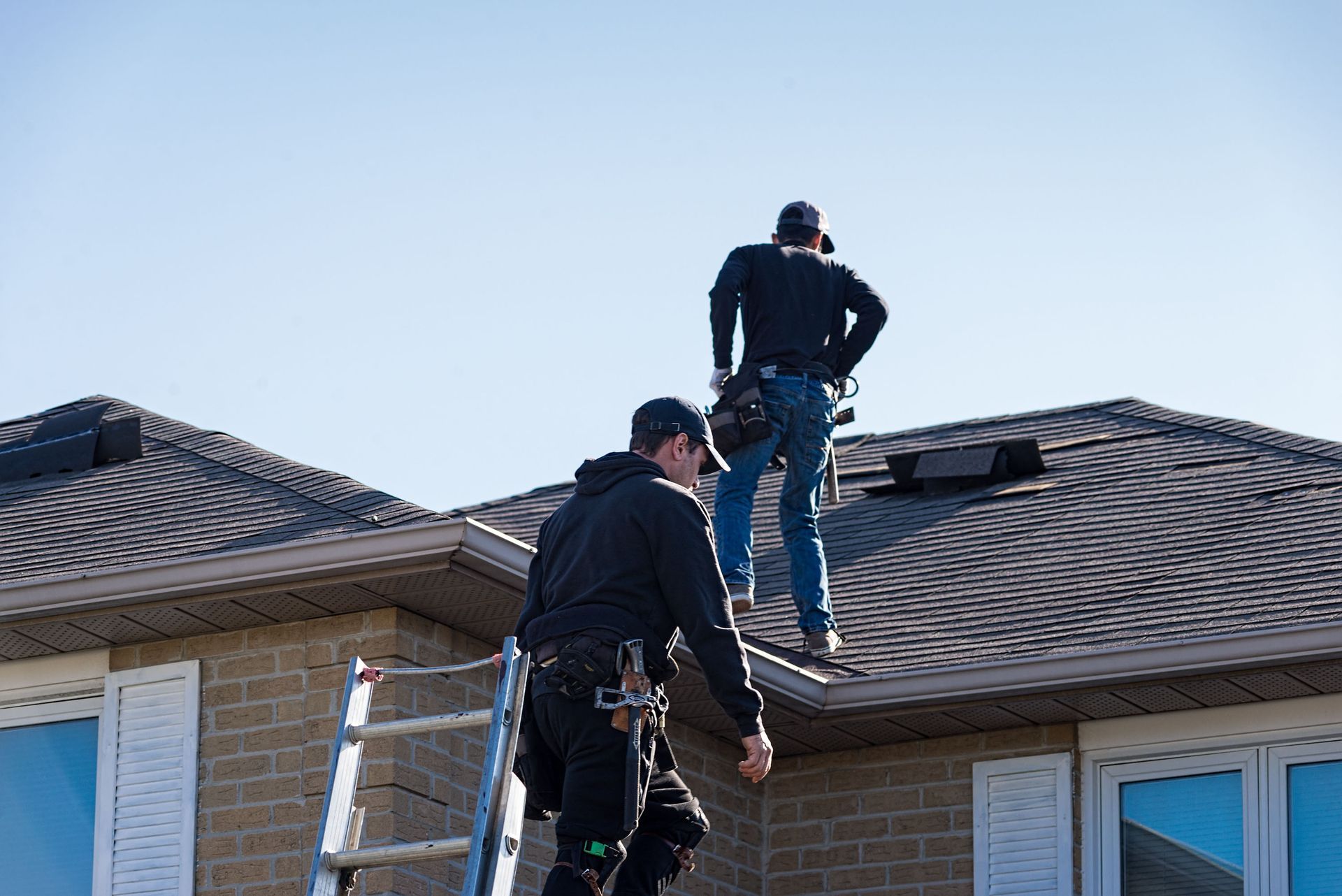
Developing a relationship with a qualified roof specialist provides the objective technical data needed to evaluate your property's exterior. Rather than guessing the remaining lifespan of your system, relying on professional structural diagnostics ensures your home stays watertight and compliant with regional building ordinances. This comprehensive guide breaks down the visual, physical, and environmental warning signs that mean it is time to schedule a professional field inspection.
Identifying Visible Exterior Damage
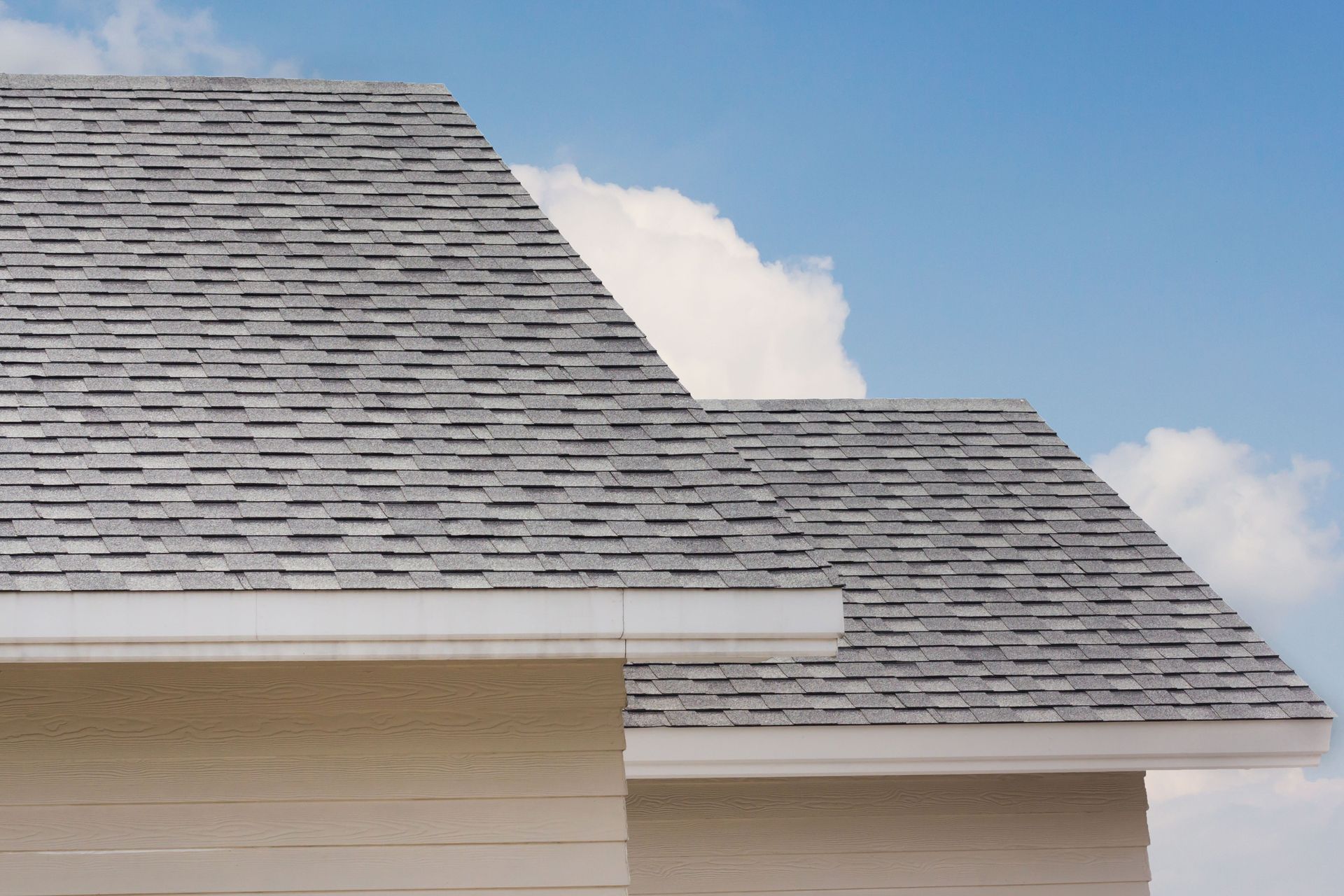
The initial signs of wear and tear typically show up along the primary shingle faces. As petroleum-based shingle products experience continuous shifting temperatures, the flexible asphalt compounds slowly dry out, lose their natural elasticity, and become brittle. This process makes the edges curl upward or form deep vertical cracks that let rain slide directly beneath your shingle layer. Catching these material defects during regular spring and autumn walk-throughs lets a roof specialist replace brittle sections before raw sub-decking rots.
Replacing Dislodged or Missing Shingles
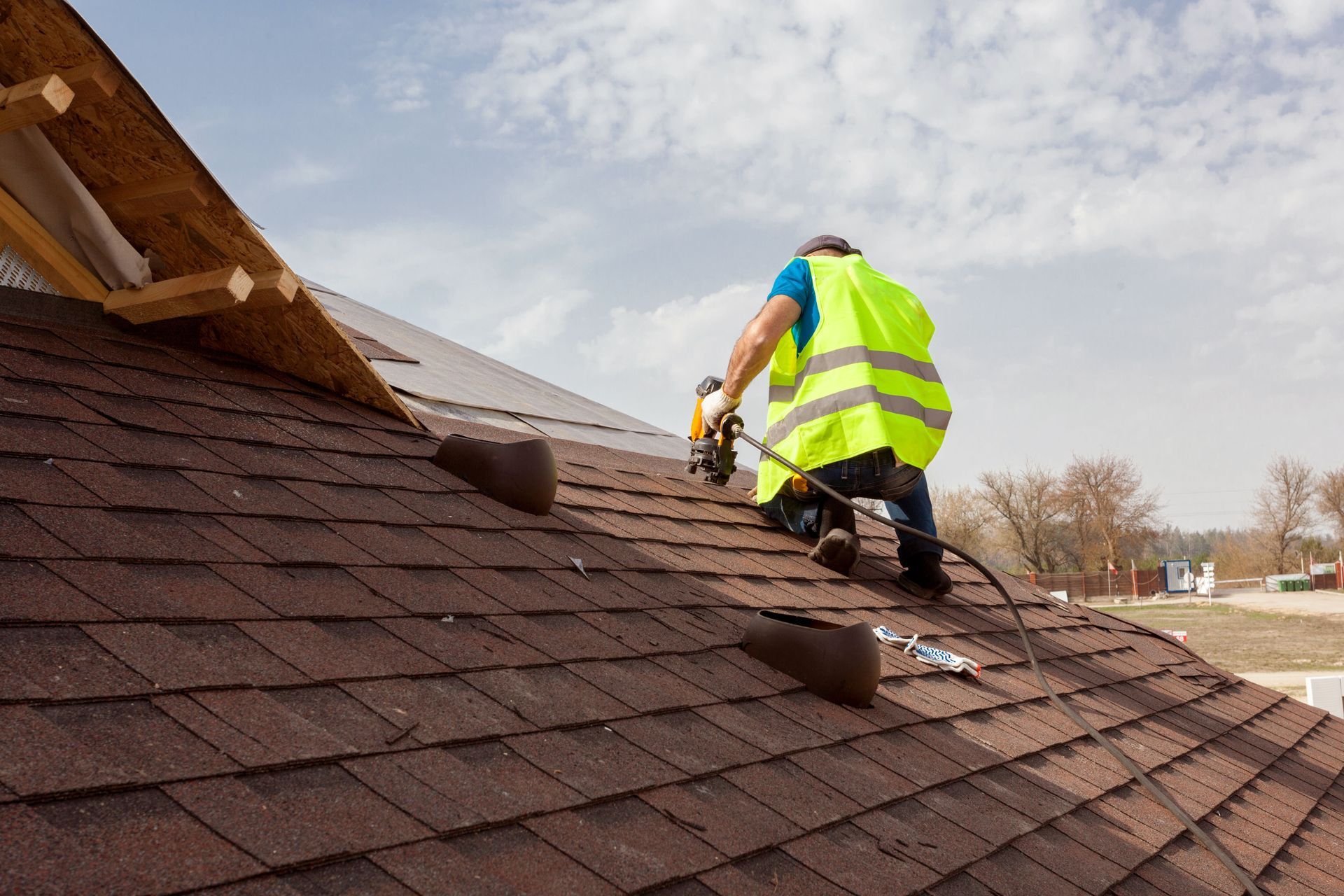
High wind shear, severe thunderstorms, and aging fastener lines can tear entire shingle segments completely away from your roof deck. Gaps in your shingle layer leave the underlying water barriers exposed to direct sunlight and wind-driven rain, creating immediate vulnerabilities. Leaving these missing pieces unaddressed can cause water to pool along structural seams, eventually seeping through your ceiling drywall.
According to comprehensive industry market analysis from BCC Research, roofing replacements make up 94% of North American roofing projects. While full system replacements dominate the domestic landscape, catching missing shingles early allows property owners to utilize localized repairs, extending the overall performance lifecycle of their existing roofs.
Tracking Heavy Granule Loss
The fine, mineralized granules embedded into the top layer of asphalt shingles serve a critical structural purpose: they shield the underlying waterproof asphalt from harmful ultraviolet radiation. As a system nears the end of its functional life, these granules detach and collect inside your gutter troughs as heavy, dark sediment. If your shingles look smooth or patchy, they have lost their protective shields and will degrade rapidly under direct sunlight.
Assessing Biological and Intersection Risks
Dark, vertical streaks running down your roofline point to active airborne cyanobacteria colonies feeding on the limestone fillers inside your shingles. While basic algae are primarily a cosmetic issue, thick green moss poses a serious threat to your home's infrastructure. Moss holds moisture directly against your shingles, forcing its roots beneath the material edges and lifting them away from the roof deck.
Spongy root systems trap rainwater against shingle bodies continuously, while advancing roots pry shingles upward and expose hidden fastener lines. This continuous dampness causes sub-deck materials to fail, weakening the structural wood fibers over time. Cleaning these biological hazards requires specialized low-pressure chemical treatments rather than high-pressure washing, which can strip away your remaining protective granules. Partnering with an experienced roof specialist guarantees these organic growths are neutralized safely without marring your shingles.
Inspecting Shingles Around Protrusions
The areas surrounding your chimneys, plumbing vents, and valleys are common entry points for serious residential water leaks. These high-risk transition zones rely on custom-shaped metal flashing kits and thick polymer sealants to divert fast-moving water away from structural junctions. Because these protrusions experience continuous thermal movement, flashing lines can easily pull away, crack, or rust out over time.
Homeowners should focus on sourcing high-gauge aluminum or copper flashing to prevent long-term corrosion. It is equally important to regularly check the condition of your plumbing boot collars for rubber splitting and to reapply premium polyurethane sealants along brick chimney counter-flashing lines. Having a roof specialist run a detailed check on these transition points stops minor sealant cracks from turning into expensive interior water leaks.
Evaluating Internal Water Damage Indicators
Dark, ringed water stains on your upper-level ceilings or along interior drywall perimeters are clear signs of an active roof leak. Water frequently enters through a breach in the outer shingles and travels down your structural rafters before dropping onto your ceiling drywall. Tracking down these water paths requires a professional eye, as the entry point on your shingles is rarely directly above the interior water stain.
Managing Attic Condensation and Moisture
A damp, humid attic space filled with musty smells often indicates your roof system is failing to breathe correctly. If your ridge vents or intake soffits are blocked by old insulation, trapped humidity will condense on the underside of your raw wood decking. This continuous moisture loop ruins the performance of your fiberglass insulation blankets and fosters hidden mold growth that compromises your indoor air quality. Maintaining a constant flow of fresh intake air from the soffits to the ridge vents is essential for pushing this thermal moisture out.
Correcting a Sagging Roof Deck
A noticeable dip or wave along your primary ridge lines or down-slopes indicates a serious, developing structural failure. A sagging roof deck is frequently caused by long-term water damage that has softened your plywood support panels, or it can point to undersized rafter framing. Resolving this issue demands an immediate call to a certified roof specialist to reinforce your internal support beams before the system is compromised further.
Navigating Contractor Selection Protocols
Entrusting your home repair to a contractor demands verifying their active state licensing, comprehensive worker safety insurance, and up-to-date factory certifications. Working with an unverified or casual handyman can expose you to personal liability risks and can even void your material manufacturer warranties if things go wrong.
When a crew isn't backed by official factory credentials, the brands that manufacture your shingles, underlayments, and ventilation valves can completely deny coverage for early material failures. Beyond the paperwork, certified roofers bring specialized safety gear and structural experience that casual handymen cannot access. Investing a little extra time to verify these corporate credentials up front ensures your home stays code-compliant, safeguards your property value, and guarantees that your long-term material protections remain valid.
Selecting Local System Experts
A qualified roof specialist understands how to choose the right materials to handle your region's unique weather challenges, from high summer humidity to freezing winter ice dams. Working with a dedicated professional ensures your project is completed using factory-certified methods, keeping your manufacturer's warranties fully intact. To get the best results, look for contractors who provide full municipal permit documentation for structural roof changes.
Taking a proactive approach to your roof maintenance protects your structural framing from wood rot, prevents mold from spreading through your attic, and preserves your home's equity. Partnering with a fully certified team ensures that your slope calculations, flashing details, and material installations are handled with complete mechanical precision.
When your private residence or commercial property requires experienced permit management, detailed flashing updates, or a reliable roof specialist, working with a dedicated team keeps your project running smoothly. Contact UB Code Roofing + to schedule a comprehensive on-site system inspection.