May 14, 2026
Your roof plays a major role in protecting your home from weather, moisture, and everyday wear. Even small roofing issues can grow into larger concerns when left unaddressed for too long. Many homeowners may not realize that subtle changes in their roofing system often point to underlying damage that requires professional attention. Recognizing these warning signs early can help prevent more costly repairs and preserve the condition of the home.
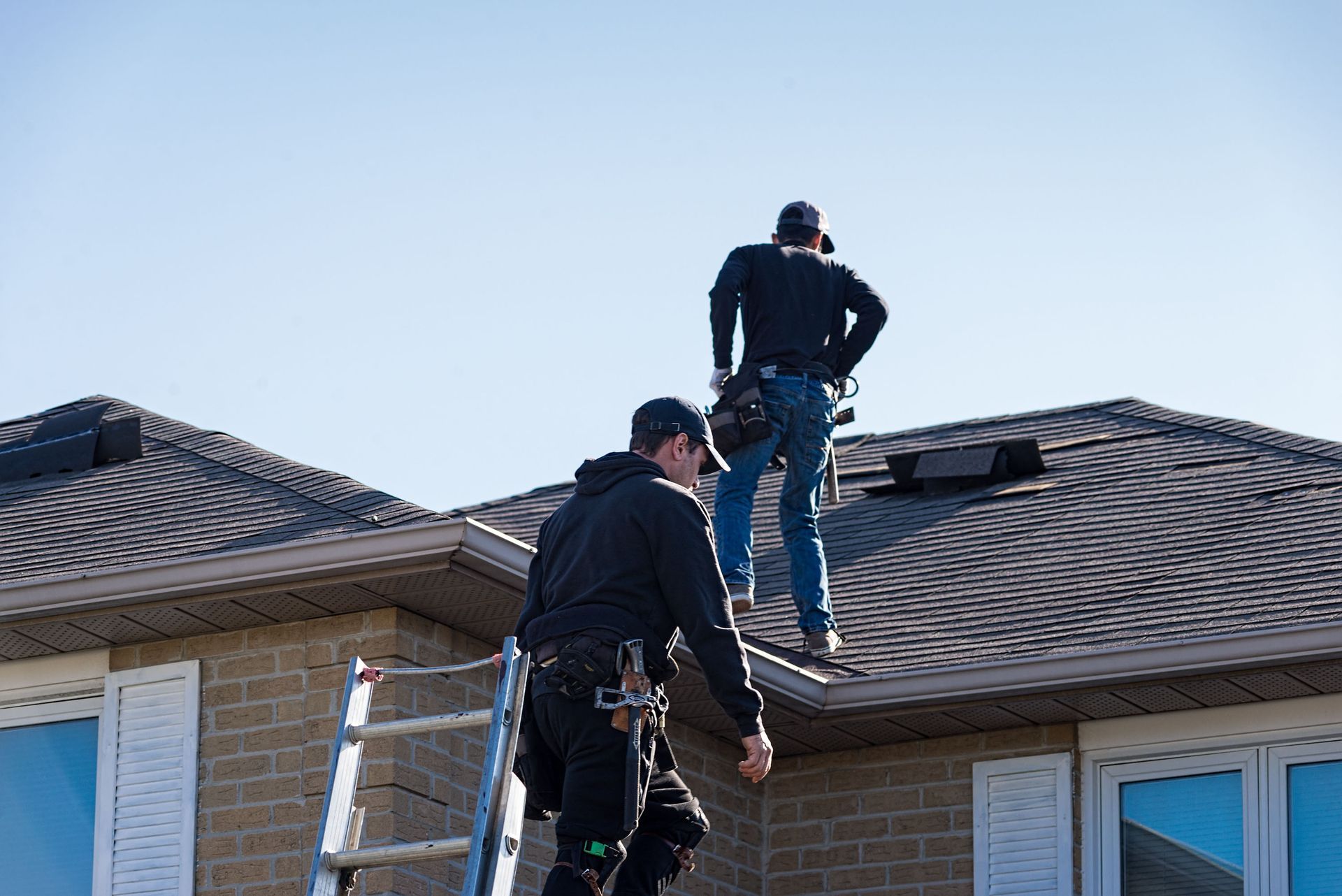
Professional residential roofers understand how to identify hidden problems, recommend practical solutions, and restore roofing systems before issues worsen. Whether the concern involves aging materials, storm damage, or ventilation problems, working with experienced professionals can make a significant difference in the long-term performance of the roof. Understanding the most common signs of roofing trouble can help homeowners know when it is time to seek expert support.
1. Notice Missing or Damaged Shingles
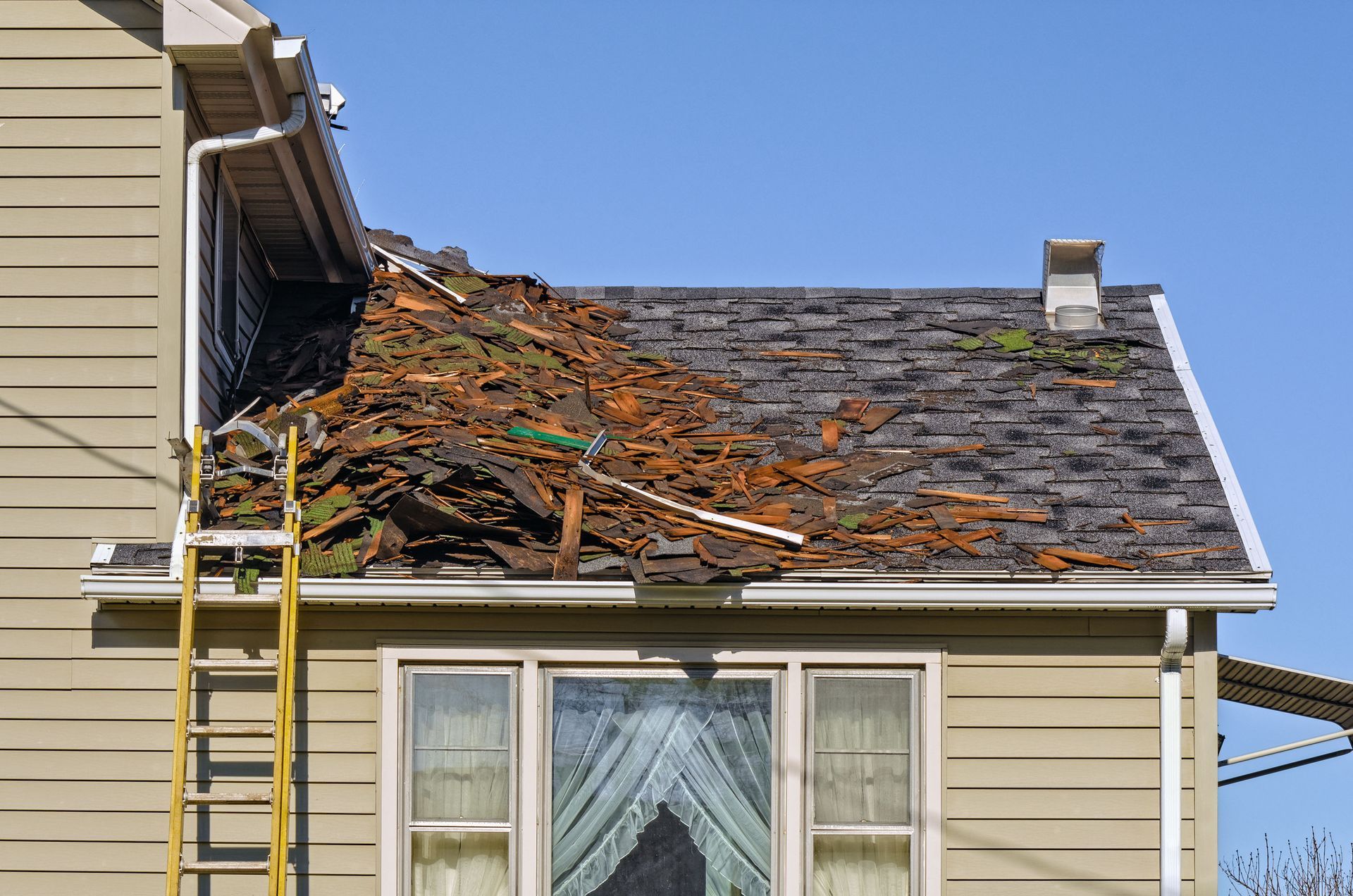
One of the clearest signs that homeowners should contact residential roofers is visible damage to roofing materials. Shingles may become cracked, curled, loose, or completely missing after exposure to strong weather conditions or years of wear. Even isolated damage can create weak spots that allow moisture to enter beneath the roofing surface.
Damaged shingles often reduce the roof’s ability to shield the home from rain and wind. Over time, this exposure may lead to leaks, wood rot, or insulation concerns inside the property. Professional roofers can evaluate the extent of the damage and determine whether repairs or a replacement may be the best option.
Roofing professionals also understand how different roofing materials react to environmental conditions. Their experience allows them to spot hidden deterioration that may not be visible from the ground. Addressing shingle problems early can help maintain structural stability and prevent larger complications later.
2. Watch for Water Stains Indoors
Water stains on ceilings or walls are another important sign that roofing problems may already be affecting the interior of the home. Moisture intrusion can develop gradually, making leaks difficult to detect until visible discoloration or peeling paint appears indoors.
When water enters through damaged roofing materials, it may spread through insulation, attic spaces, and wall structures before becoming noticeable. This hidden moisture can contribute to mold growth, unpleasant odors, and weakened building materials. Residential roofers can trace the source of leaks and repair the roofing system before the problem expands further.
Many homeowners mistakenly assume small stains are minor cosmetic concerns. However, water damage often indicates deeper roofing issues that should not be ignored. A professional inspection can help determine the condition of the roof and identify vulnerable areas that require attention.
According to Nationwide, 37% of homeowners have completed roof repairs or replacements within the past three years, showing strong ongoing demand. This statistic highlights how common roofing concerns can become for homeowners over time and why prompt maintenance remains important.
3. Observe Sagging Roof Areas
A sagging roofline is often a sign of structural stress or moisture-related deterioration beneath the roofing surface. Sections of the roof that appear uneven or droop downward may indicate weakened decking, trapped moisture, or aging support materials.
Structural issues within a roofing system should always be evaluated by experienced residential roofers. Ignoring sagging areas may allow the damage to spread and place additional strain on the rest of the structure. In some cases, prolonged moisture exposure can compromise wood framing and reduce the roof’s overall strength.
Roof sagging can also affect ventilation and drainage patterns across the roofing system. Water may begin collecting in low areas, increasing the risk of leaks and material breakdown. Professional roofers can assess the severity of the issue and recommend solutions that restore stability and performance.
Prompt action is especially important when structural concerns are visible. Roofing professionals have the equipment and training necessary to inspect the roof safely and identify the underlying cause of the problem.
4. Pay Attention to Granules in Gutters
Asphalt shingles naturally shed small amounts of granules over time, but excessive buildup in gutters may signal advanced roof wear. These granules help protect roofing materials from sunlight, weather exposure, and general deterioration. When large amounts begin collecting around downspouts or gutters, it may indicate that the shingles are reaching the end of their lifespan.
Granule loss can weaken the roof’s protective barrier and expose the surface to additional damage. Residential roofers can determine whether the issue is isolated or part of a larger pattern of roof aging. They may also evaluate whether weather exposure, poor ventilation, or previous damage contributed to the deterioration.
Many homeowners overlook granule buildup because it can appear harmless at first glance. However, consistent granule loss may reduce the roof’s ability to regulate temperature and repel moisture effectively. Professional evaluations can help homeowners understand the condition of their roofing materials and plan for appropriate repairs.
Routine roof inspections are valuable because they allow professionals to detect subtle signs of wear before major damage occurs. Addressing roofing concerns early can help extend the lifespan of the roof and support long-term home protection.
5. Listen for Rising Energy Concerns
Unexpected changes in indoor comfort or energy efficiency can sometimes point to roofing problems. A damaged or aging roof may allow air to escape more easily, making it harder for heating and cooling systems to maintain stable indoor temperatures.
Poor roof ventilation, damaged insulation, and moisture intrusion can all contribute to energy inefficiency. Homeowners may notice rooms becoming harder to cool during warm weather or more difficult to heat during colder seasons. Residential roofers can inspect attic ventilation, roofing materials, and insulation performance to identify contributing factors.
A roofing system works together with the rest of the home to support comfort and efficiency. When one component begins failing, the effects may become noticeable throughout the property. Professional roofing services can help restore the integrity of the system and improve overall performance.
Energy concerns are not always linked solely to roofing issues, but roofing damage is often an important factor that should be evaluated. A professional inspection provides homeowners with a clearer understanding of how the roof may be affecting the home’s interior environment.
6. Check for Moss, Mold, or Algae Growth
Visible growth on roofing materials can indicate trapped moisture and poor drainage conditions. Moss, algae, and mold often develop when moisture remains on the roof surface for extended periods. While some discoloration may appear minor, persistent growth can gradually weaken roofing materials and shorten their lifespan.
Moss can trap moisture against shingles, increasing the likelihood of deterioration beneath the surface. Mold growth may also affect attic spaces and indoor air quality if moisture problems continue unchecked. Residential roofers can evaluate the extent of the issue and recommend safe cleaning, repairs, or replacement options when necessary.
Professional roofers understand how environmental conditions influence roofing performance. They can identify whether poor ventilation, clogged drainage systems, or damaged materials are contributing to recurring moisture buildup. Addressing these issues promptly can help preserve the condition of the roof and reduce future maintenance concerns.
Roof surfaces should remain clear and properly ventilated to function effectively. Professional inspections can help homeowners detect early warning signs that may otherwise go unnoticed until more extensive damage develops.
Your roof protects nearly every part of your home, making it important to recognize warning signs before problems become severe. Missing shingles, water stains, sagging areas, granule loss, energy concerns, and visible growth can all indicate that professional attention may be needed. Working with experienced residential roofers allows homeowners to identify roofing concerns early and make informed decisions about repairs or replacement.
At UB Code Roofing, we understand how important a dependable roof is for protecting your home and maintaining peace of mind. Our team is committed to helping homeowners evaluate roofing concerns, improve long-term performance, and keep their properties protected through every season.