April 16, 2026
Your roof plays a central role in protecting your home, yet many homeowners struggle to decide whether a repair will suffice or if a full replacement is necessary. This decision is rarely straightforward, as it depends on multiple variables, including the roof's age, material condition, and the extent of damage. A thorough evaluation ensures that you are not overspending on unnecessary work or delaying critical improvements.
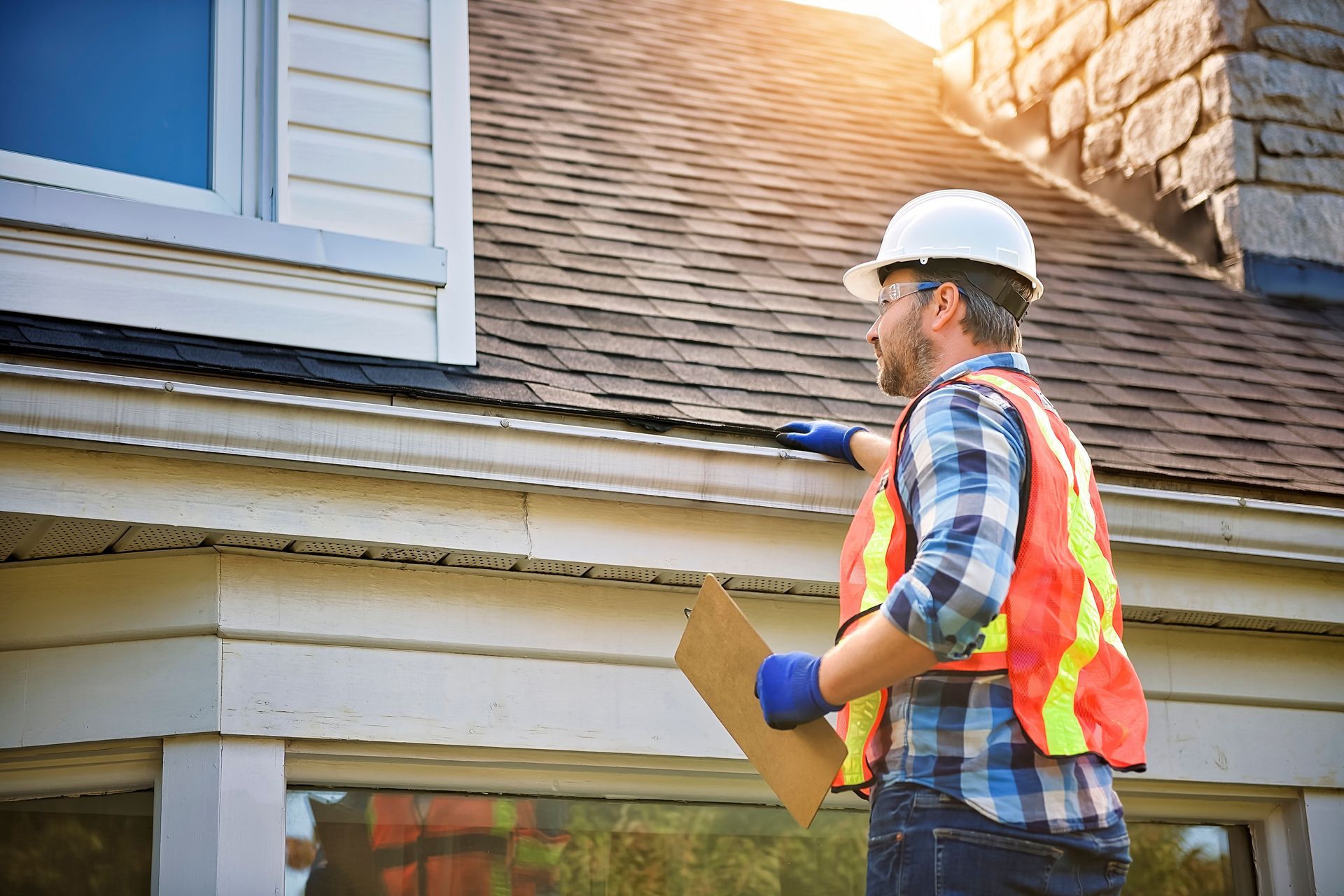
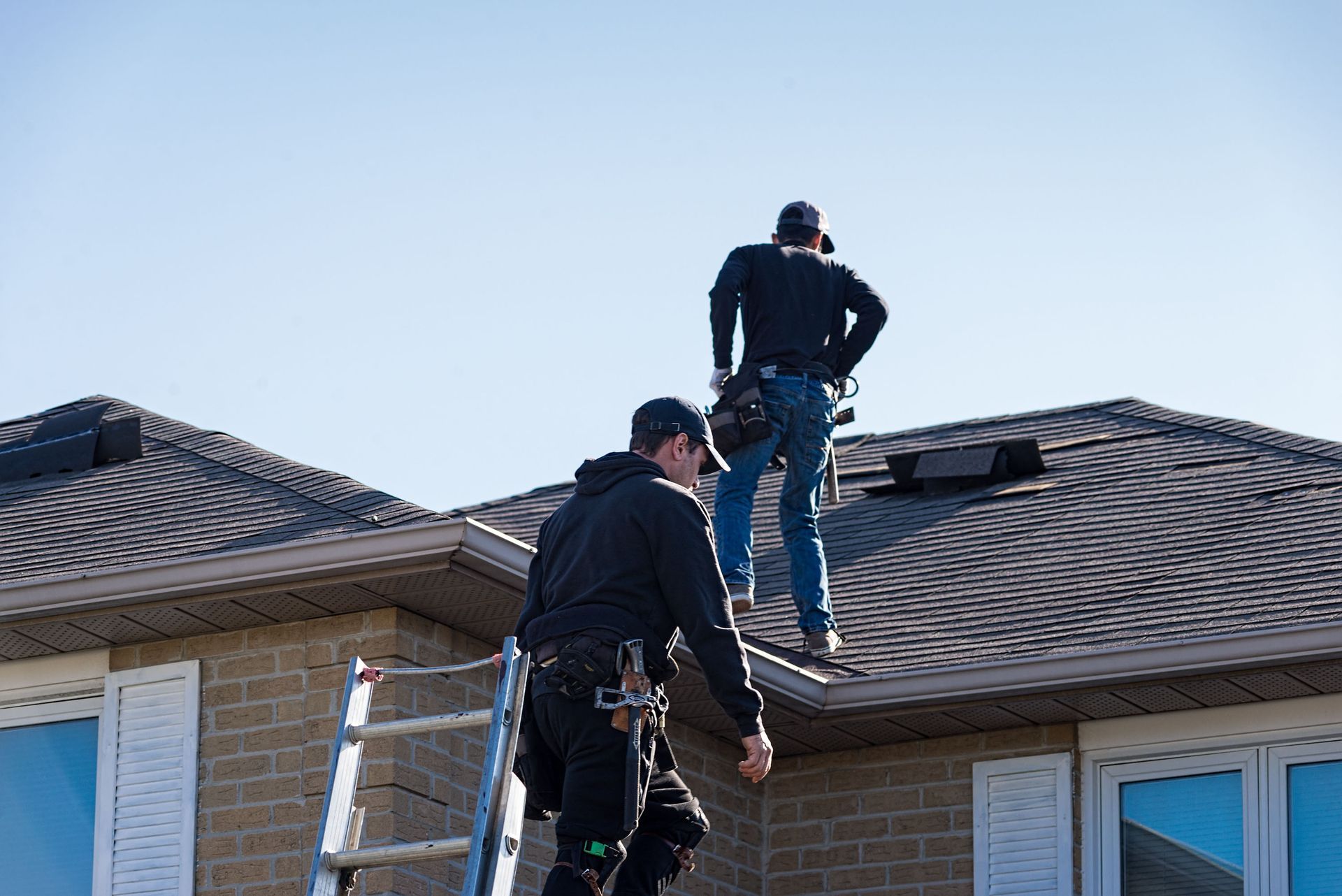
Experienced roof specialists follow a systematic approach to ensure every decision is tailored to the homeowner's situation. They carefully examine the roof to understand the severity and scope of the issues, evaluate underlying structures, and consider how materials have aged. This process helps ensure that any repairs or replacements provide lasting protection while optimizing your investment.
Evaluating the Condition of Your Roof
Assessing Surface-Level Damage
One of the first steps roofing professionals take is examining visible damage on the roof's surface. Issues such as missing shingles, small leaks, or localized wear often indicate that targeted repairs can restore the system's integrity. When problems are isolated rather than widespread, repairs are typically faster and more economical.
Surface-level concerns are especially common with asphalt shingles, cedar shakes, and clay tiles. In many cases, replacing a limited number of damaged components resolves the issue without disrupting the rest of the roofing structure. This approach preserves the remaining lifespan of the roof while minimizing costs.
Identifying Structural Concerns
Beyond what is visible, roof specialists also evaluate the underlying structure. Problems such as sagging, moisture intrusion beneath the decking, or compromised support systems suggest deeper issues. When structural damage is present, repairs alone may not address the root cause.
In these situations, a replacement may be recommended to ensure long-term stability. Addressing only the visible symptoms can lead to recurring problems, which ultimately increase overall expenses and risks of further damage to the home. By investing in a complete replacement when needed, homeowners can avoid repeated disruptions and enjoy the confidence that their roof will provide reliable protection for years to come.
Inspecting Roofing Materials and Wear Patterns
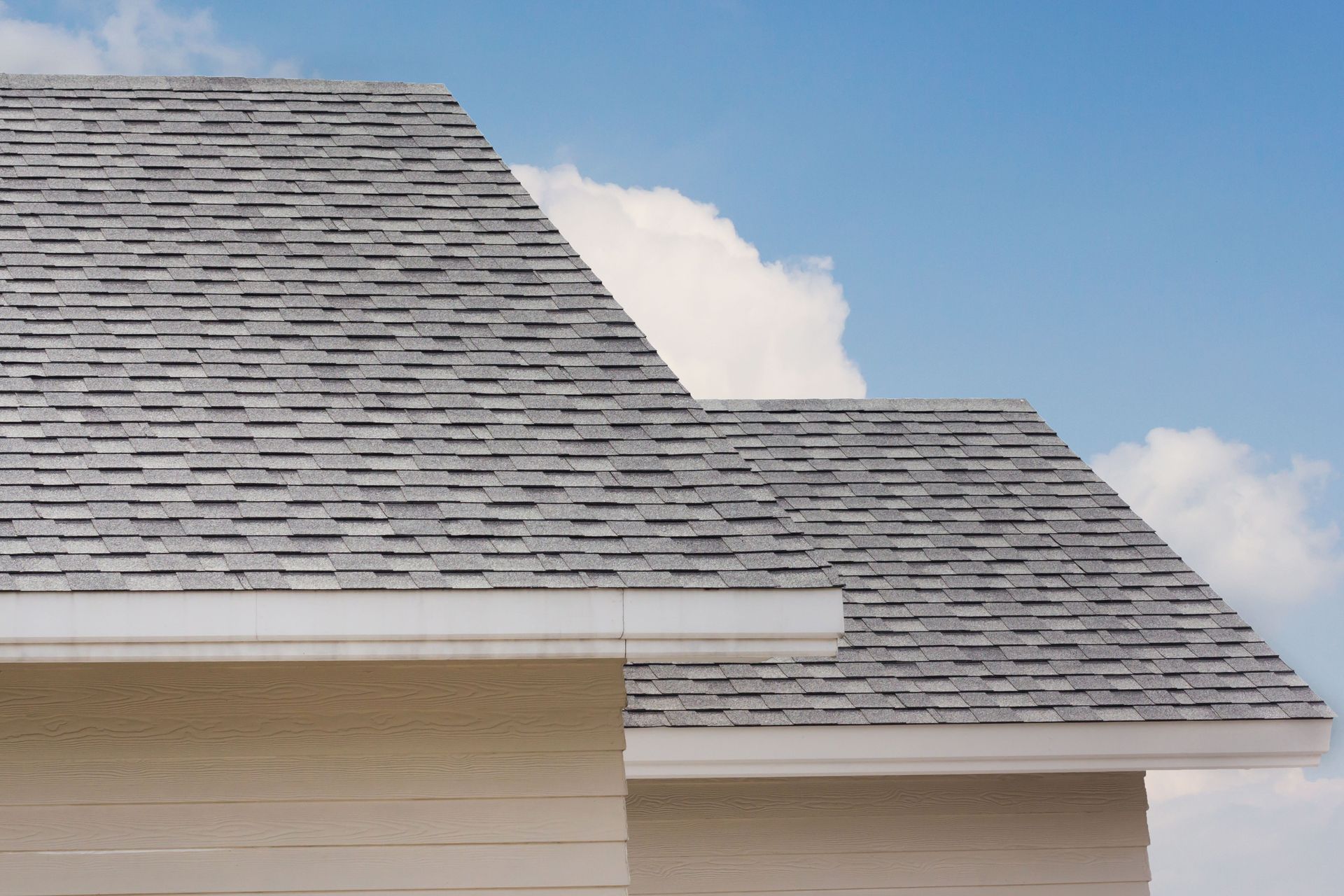
Different roofing materials age and deteriorate in distinct ways. Roofing experts carefully assess how materials have held up over time, looking for patterns such as granule loss on shingles, cracking in tiles, or splitting in wood shakes.
Consistent wear across large sections of the roof often signals that the material has reached the end of its useful life. When deterioration is widespread, repairs may provide only temporary relief. In contrast, isolated wear typically supports a repair-focused approach, especially when the rest of the roof remains in good condition.
Considering Age, Lifespan, and Long-Term Value
Understanding Roof Age and Remaining Lifespan
The age of a roof is one of the most influential factors in determining whether to repair or replace it. Reputable roof specialists compare the current condition of the roof against the expected lifespan of its materials. They also consider how well the roof has been maintained over the years, since consistent upkeep can extend its effective lifespan and influence the best course of action.
According to Today's Homeowner, roof repair is generally preferable when a roof is under 15 years old and the damage is minor. When a roof is still relatively young and shows limited damage, repairs are often sufficient to extend its performance. However, as a roof approaches the end of its expected life, even minor issues can indicate that replacement is a more practical investment.
Weighing Cost Efficiency Over Time
Short-term savings can sometimes lead to higher long-term expenses. Roofing professionals evaluate whether repeated repairs will ultimately cost more than a full replacement. If a roof requires frequent maintenance or continues to develop new issues, investing in a new system may provide better value.
A replacement also offers the benefit of a fresh warranty and improved reliability. This can reduce the likelihood of unexpected repair costs and provide greater peace of mind for homeowners. Additionally, installing a new roof can enhance the overall value and curb appeal of the home, making it a smart long-term investment.
Evaluating Energy and Performance Impacts
While the primary goal of roofing is protection, overall performance also plays a role in the decision-making process. Experienced roof specialists consider how well the current system manages moisture, ventilation, and insulation. Persistent issues in these areas may indicate that the roof is no longer functioning efficiently.
In cases where performance has declined significantly, replacement allows for a comprehensive upgrade. This ensures that the roof not only protects the home but also supports consistent indoor conditions and long-term durability. It also provides an opportunity to address any underlying issues, such as poor insulation or ventilation, that may have contributed to reduced efficiency.
Analyzing Damage Extent and External Factors
Determining the Scope of Damage
The extent of damage is a critical factor in deciding between repair and replacement. Reliable roof specialists assess whether the problem is confined to a small section or affects a large portion of the roof. Localized damage caused by fallen debris or minor weather events is often repairable. Addressing even minor damage promptly can prevent it from escalating into more costly and extensive problems.
However, when damage spans multiple areas or compromises a significant percentage of the roof, replacement becomes a more practical solution. Large-scale issues are often difficult to address effectively through piecemeal repairs. Timely replacement after severe weather can help protect the home from future damage and maintain overall safety.
Factoring in Weather-Related Impact
Severe weather can accelerate roof deterioration and introduce hidden damage. Roofing experts take into account the impact of storms, heavy winds, hail, and temperature fluctuations. These elements can weaken materials over time, even if damage is not immediately visible. Repairs in storm-prone areas may extend the roof's life without the need for full replacement.
When weather-related wear is extensive, replacement may provide a more reliable outcome. On the other hand, if the damage is limited to specific areas, targeted repairs can restore the roof's functionality without requiring a full overhaul. Consulting with insurance adjusters early ensures homeowners maximize coverage and minimize out-of-pocket expenses.
Considering Insurance and Emergency Situations
Insurance considerations can also influence the decision. Roof specialists often assist homeowners in documenting damage and navigating claims. In some cases, insurance policies may cover repairs or contribute to the cost of a replacement, depending on the nature of the damage. Quick intervention in emergencies can limit structural damage and reduce the risk of secondary problems like mold.
Emergencies require prompt action to prevent further issues such as water intrusion or structural weakening. Roofing professionals prioritize stabilizing the roof quickly, then determine whether a repair or replacement offers the most effective long-term solution. Balancing immediate fixes with long-term planning helps homeowners make cost-effective and durable roofing decisions.
Choosing between roof repair and replacement requires a careful balance of condition, age, and overall value. By thoroughly evaluating damage, material performance, and long-term costs, roof specialists ensure that homeowners receive the most appropriate solution for their specific situation. With professional guidance, it becomes easier to protect your investment while maintaining the safety and integrity of your home. Additionally, understanding potential future risks, seasonal weather impacts, and energy efficiency improvements can help homeowners make a decision that saves money, reduces stress, and prolongs the lifespan of their roof. For a thorough, professional assessment of your roof's needs, contact UB Code Roofing + today!