November 23, 2026
Planning a roof repair or replacement involves more than choosing materials and scheduling installation. Homeowners should consider the current condition of their roof, available budget, preferred materials, and the property's specific needs before beginning the project. Taking time to evaluate these details can help prevent unexpected expenses, reduce delays, and prepare you for the work ahead.
According to RubyHome, replacing existing residential roofs accounts for approximately 85% of the roofing business in the U.S. This reflects how frequently homeowners need to address aging materials, weather damage, and other issues affecting their properties. Whether you are planning a replacement or addressing a developing problem, understanding your options can help you make informed decisions about protecting your home.
Assessing Your Current Roof Condition
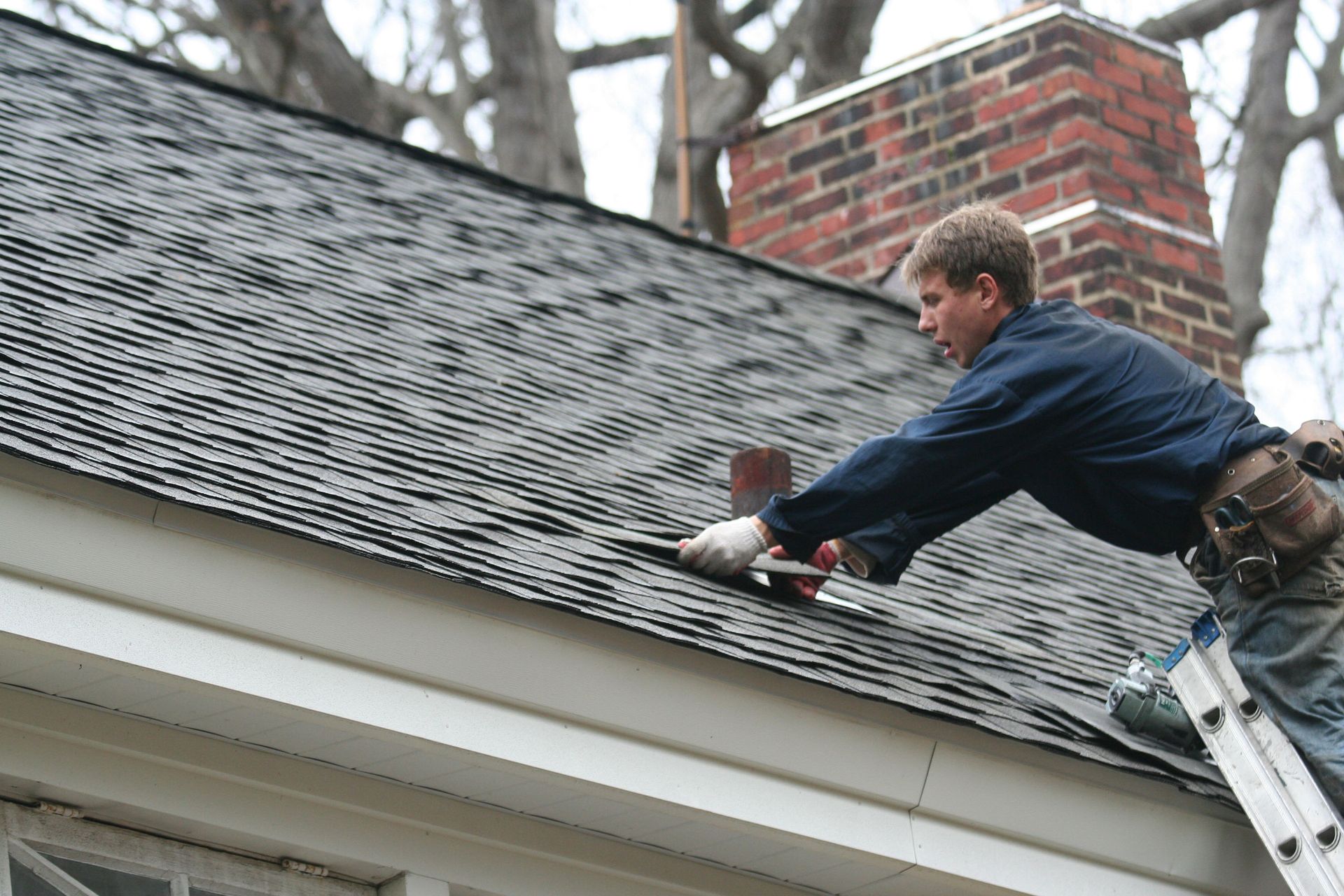
Before planning repairs or a replacement, it is important to understand the condition of your existing roof. Missing, cracked, or curling shingles can indicate deterioration, while damaged flashing and loose materials may create openings for water. Homeowners should also watch for water stains on ceilings, damp insulation, and other signs of moisture inside the property. A professional inspection can help identify visible damage and determine whether additional issues need attention.
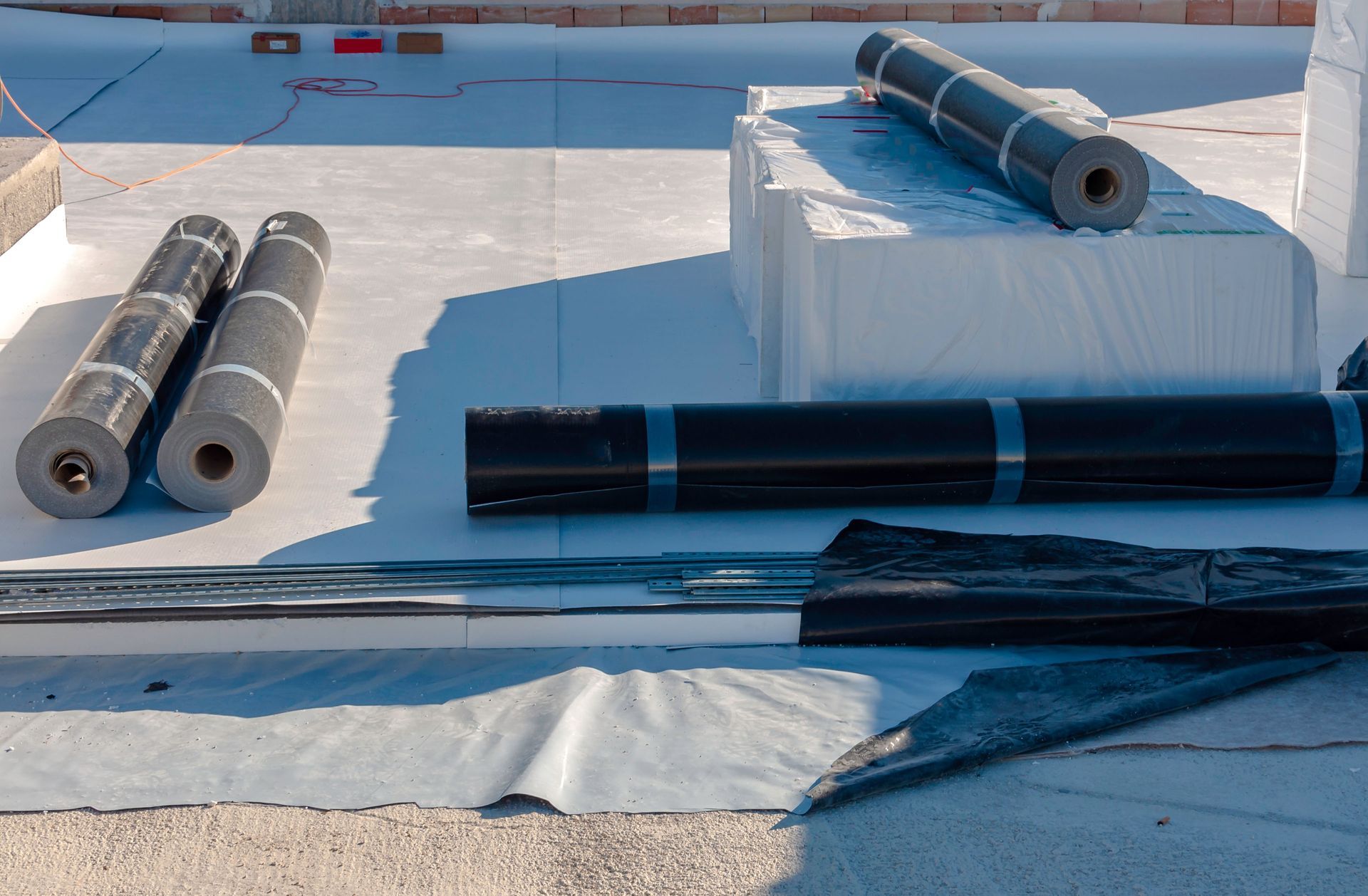
The type of material currently installed is another consideration. Asphalt shingles, cedar shakes, clay tiles, and metal each have different characteristics, maintenance requirements, and expected service lives. Commercial properties may also have flat or low-slope systems, including TPO and EPDM membranes. Understanding the existing material can help determine which roofing repairs or replacement options are appropriate for the structure.
Structural concerns require attention before new materials are installed. Sagging areas, signs of rot, and evidence of prolonged water exposure can indicate problems beneath the exterior surface. The underlying deck and support structures should be evaluated to determine whether repairs are necessary before installation begins. Identifying these concerns early helps establish a more accurate project scope and reduces the likelihood of complications during construction.
Budgeting for Repairs and Replacement
Establishing a realistic budget is an important part of preparing for a home improvement project. Costs can vary depending on the property's size, material selection, installation complexity, and amount of existing damage. Steep slopes, multiple roof sections, and difficult access can also affect the labor and equipment required. Requesting a detailed estimate after an inspection can help you understand the expected expenses before approving the work.
Material costs are another important consideration. Asphalt shingles are available in different styles and performance ratings, while metal, cedar shake, and clay tile offer other appearance and durability characteristics. Commercial properties may require specialized membrane systems, such as TPO or EPDM. Comparing suitable options based on your property's needs, expected performance, and budget can help you make a practical selection for your roofing project.
Labor and installation expenses should also be included in your calculations. The amount of preparation, removal of existing materials, and complexity of the installation can influence the final price. Additional work may be necessary if an inspection reveals damaged decking, flashing problems, or other underlying concerns. A written estimate should clearly explain the proposed work, materials, and any anticipated additional expenses.
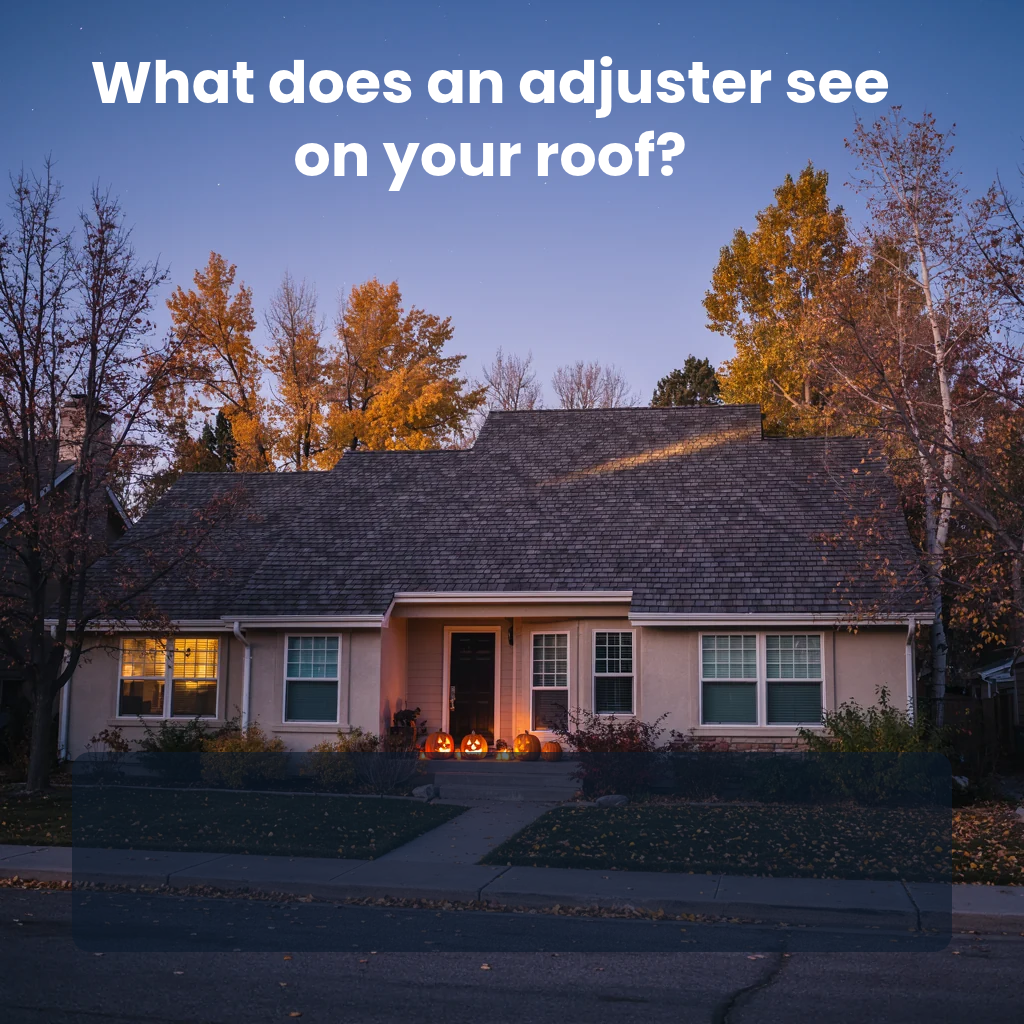
For properties with storm-related damage, insurance coverage may be another part of the financial planning process. Hail, wind, and severe weather can damage shingles, flashing, and other exterior components. Documentation and a professional inspection can help homeowners understand the visible damage before contacting their insurance provider. A contractor who assists with insurance claims can also help organize inspection findings and communicate with the adjuster.
Selecting Suitable Materials and Contractors
Choosing materials involves balancing appearance, durability, performance, and cost. Asphalt shingles are a common residential option available in various colors and styles. Metal offers another option for property owners interested in different appearance and performance characteristics. Cedar shakes and clay tiles can complement certain architectural styles, while TPO and EPDM systems are designed for flat or low-slope applications.
Local weather conditions should also influence material selection. Properties in Colorado can experience hail, heavy snow, strong winds, intense sunlight, and changing temperatures throughout the year. Impact-resistant shingles may be worth considering in areas that experience frequent hail, while properly selected flat-roof membranes can help protect commercial buildings. Discussing these conditions with an experienced contractor can help you identify materials suited to your property's location.
Appearance is another factor to consider when selecting a new system. Color, texture, and material style can affect how the finished exterior complements the rest of your home or building. Homeowners should compare available options with their property's architectural features and surrounding exterior finishes.
Before approving a proposal, review the project scope, payment terms, expected schedule, and warranty details. Ask what happens if additional damage is discovered and how changes to the original estimate will be communicated. It is also helpful to understand who will handle material delivery, property protection, and final cleanup. Clear expectations can reduce misunderstandings and make the installation process easier to manage.
Preparing Your Property for Installation
Preparing your home and surrounding property can help the installation proceed more smoothly. Move vehicles away from the work area and relocate outdoor furniture, decorations, and other belongings that could be affected by falling debris. If you have children or pets, establish boundaries that keep them away from active work zones. These preparations help protect household members and make room for workers and equipment.
Interior preparation is also worth considering, particularly when existing materials need to be removed. Installation work can create noise, vibrations, and dust that may affect rooms beneath the work area. Protecting fragile belongings and moving valuable items away from vulnerable spaces can help reduce the risk of accidental damage. Discuss any concerns about interior access or household disruptions with your contractor before work begins.
It is also helpful to discuss debris removal and property cleanup before the project starts. Removing old shingles, damaged materials, and other construction waste is an important part of the process. Ask how materials will be collected, where disposal containers will be placed, and what cleanup will take place after installation. A clear plan helps keep the property organized throughout the project.
Weather can affect installation schedules, especially when rain, snow, or strong winds create unsafe working conditions. Discuss how your roofing contractor handles weather-related delays and what protective measures are used if work needs to stop unexpectedly. Temporary coverings may be necessary to protect exposed areas from moisture. Allowing some flexibility in the schedule can help accommodate changing conditions without compromising worker safety or installation quality.
Maintaining Your Roof After Installation
Once installation is complete, ongoing care can help preserve the condition of the materials and identify developing concerns. Follow the manufacturer's warranty requirements and any maintenance recommendations provided by your roofing contractor. Keep copies of the installation documents, product information, and workmanship warranty for future reference. Understanding these details can help you address questions about coverage and maintenance as the system ages.
Storms can create new problems even when a system was installed recently. After significant hail or wind, look for visible signs of damage from the ground and arrange a professional inspection if you have concerns. Prompt attention can help prevent minor issues from developing into more extensive water damage. Maintaining a record of inspections and completed repairs can also help you track the condition of your property over time.
Preparing for repairs or replacement requires careful attention to material selection, budgeting, contractor qualifications, and ongoing maintenance. Understanding each stage can help you make decisions that support your property's protection and long-term condition. Contact UB Code Roofing + today to schedule an inspection and discuss your residential or commercial roofing project.